MolecularModelingforScientificInnovation
Founded in 2009 at UFG, LabMol advances drug design, predictive toxicology and artificial intelligence applied to health.
Translating Complex Molecular Data Into Solutions
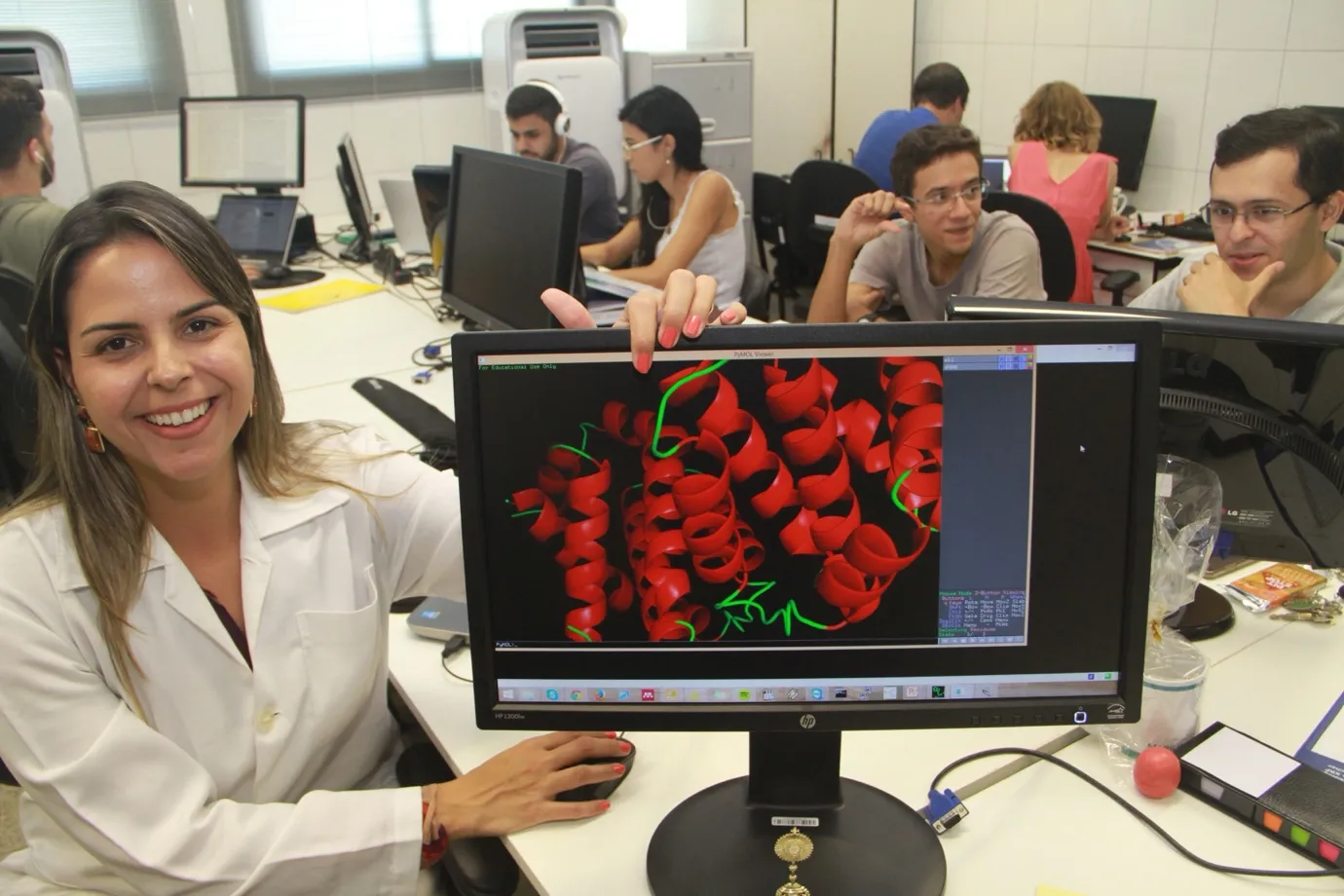
Founded in 2009 at the Faculty of Pharmacy of the Federal University of Goiás, the Laboratory of Drug Design and Molecular Modeling — LabMol — is an international reference center at the interface of Medicinal Chemistry, Molecular Modeling and Data Science.
Under the leadership of Prof. Carolina Horta, LabMol is dedicated to the discovery of novel therapeutic agents and the development of disruptive technologies for health. The laboratory combines scientific rigor, computational intelligence, experimental validation and interdisciplinary collaboration to transform complex molecular data into solutions with real-world impact.
From its origins in a small computing room to its current high-performance infrastructure, LabMol has evolved into a scientific hub focused on artificial intelligence, predictive toxicology, neglected diseases, emerging viral threats, and immersive molecular technologies.
Driving Innovation and Excellence in Health
LabMol’s mission is to promote scientific excellence and technological innovation through the integration of advanced training, computational strategies, experimental validation and artificial intelligence applied to health.
High-Level Scientific Training
Training master’s students, PhD candidates, postdoctoral researchers and young scientists at the forefront of Medicinal Chemistry, Computational Chemistry and Data Science.
Accelerating Drug Discovery
Integrating computer-assisted drug design, virtual screening, molecular modeling and experimental validation to identify new bioactive molecules, with special focus on neglected tropical diseases, emerging viral diseases and cancer.
AI and Predictive Toxicology
Developing machine learning, deep learning and QSAR/QSPR models to predict pharmacokinetic properties and toxicological safety, reducing time, cost and animal testing in chemical development.
A visual history of LabMol
From the first computing room in 2009 to the collaborations and awards that followed, this timeline traces the people, places and milestones that shaped LabMol.
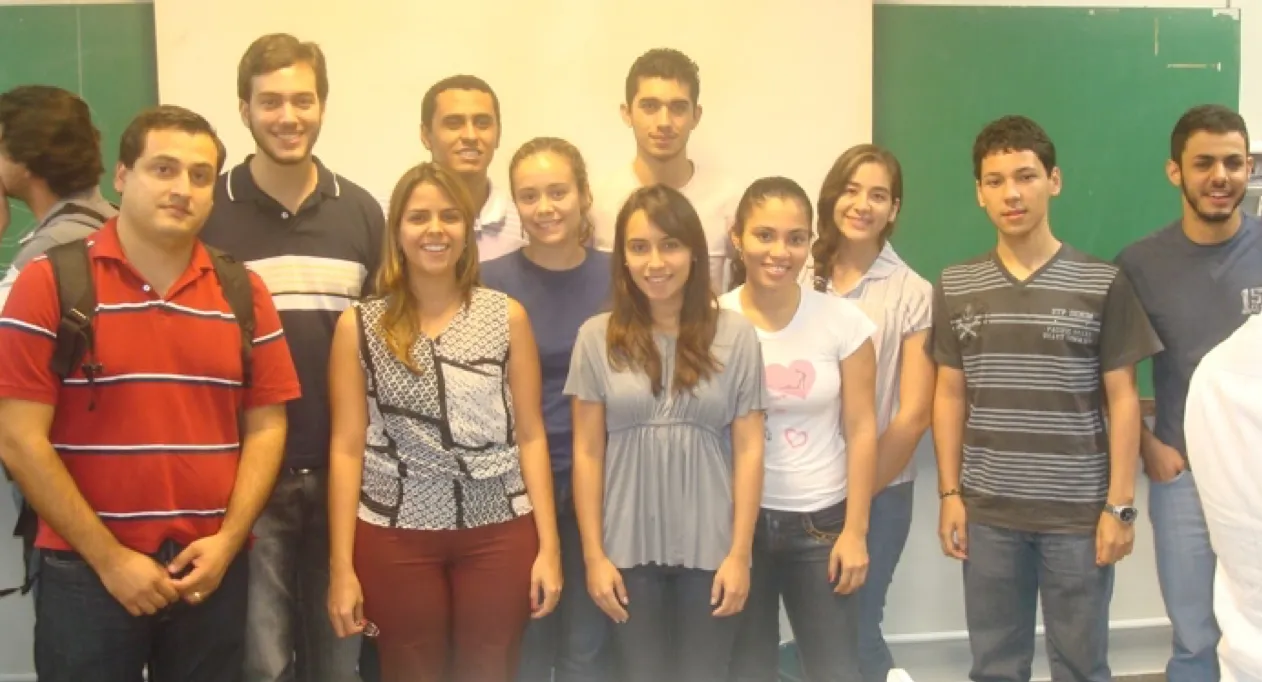
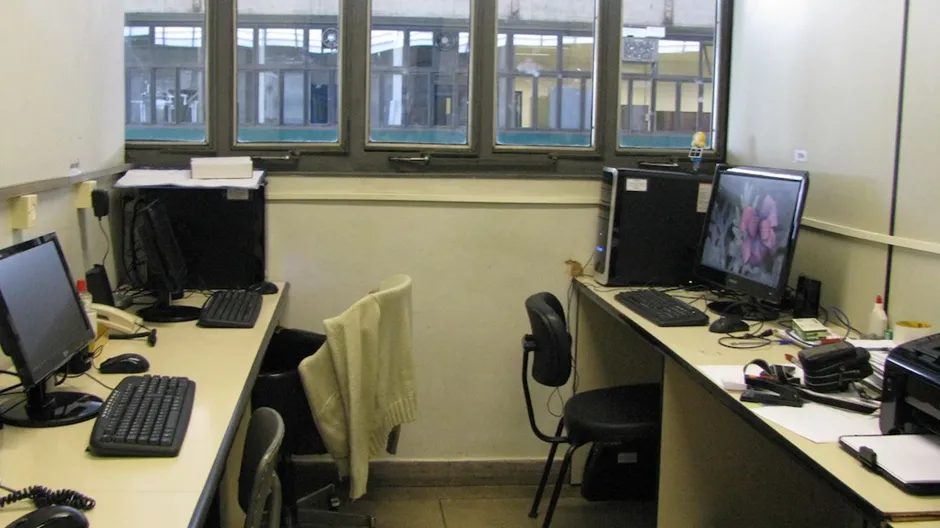
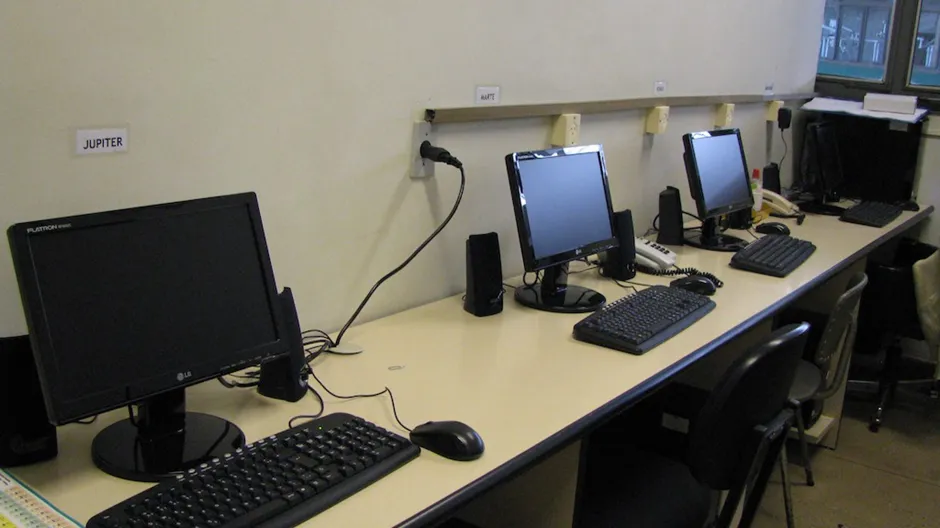
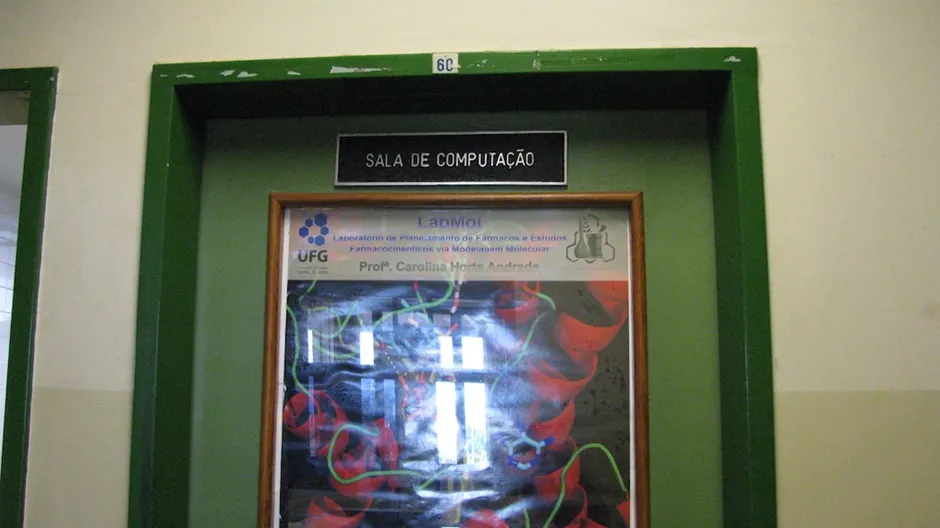
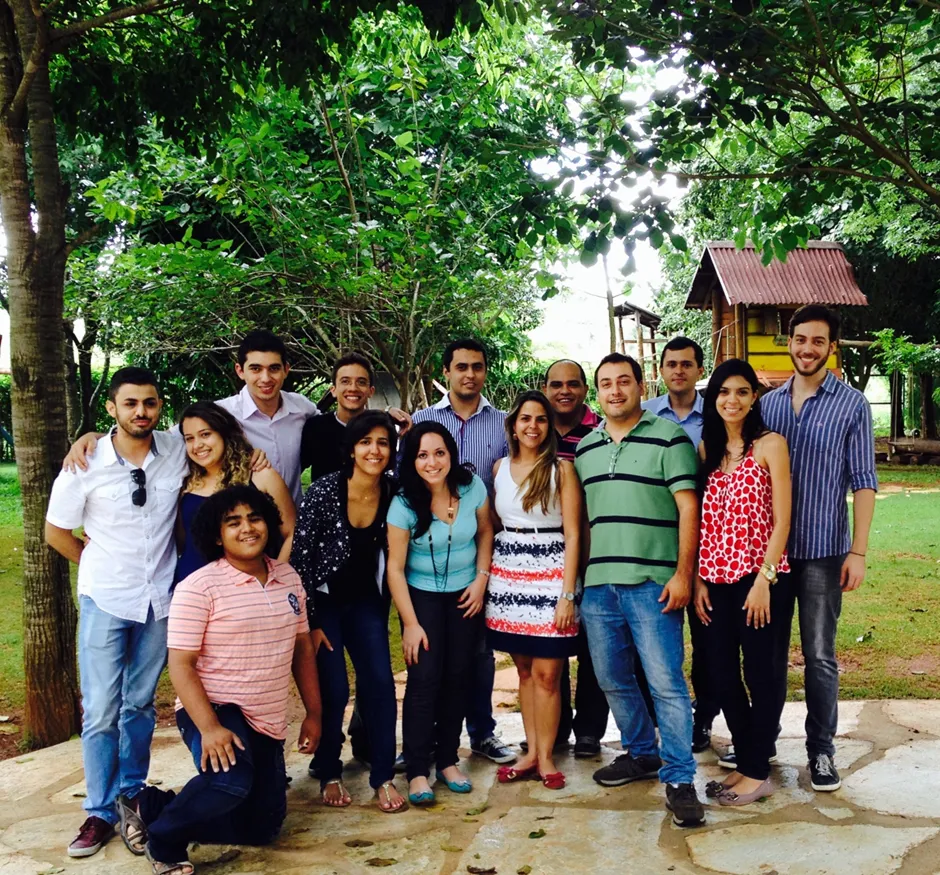
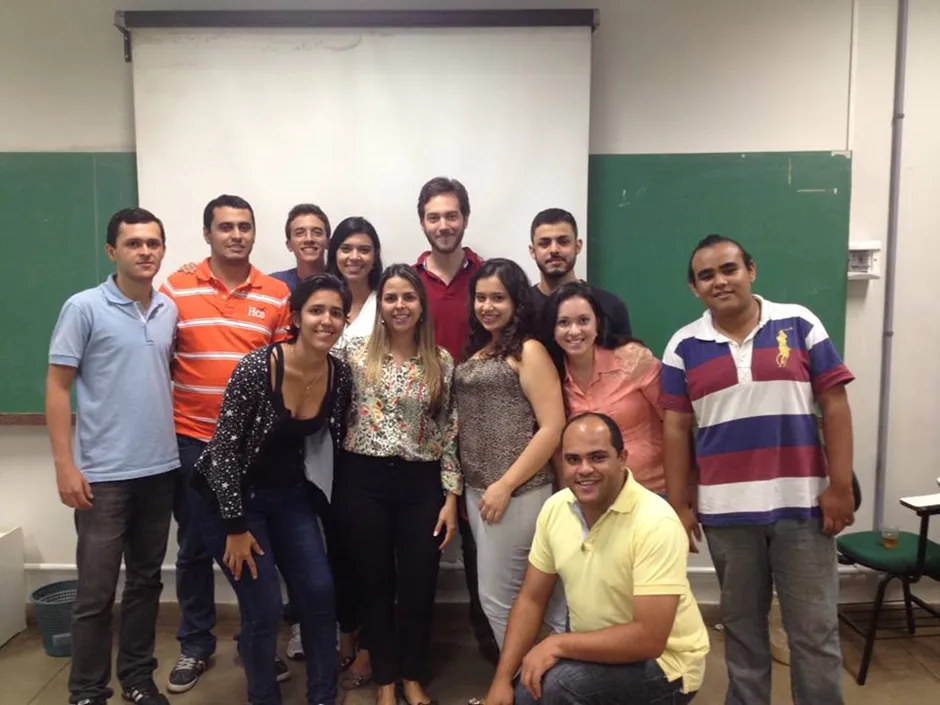
Foundation and early consolidation
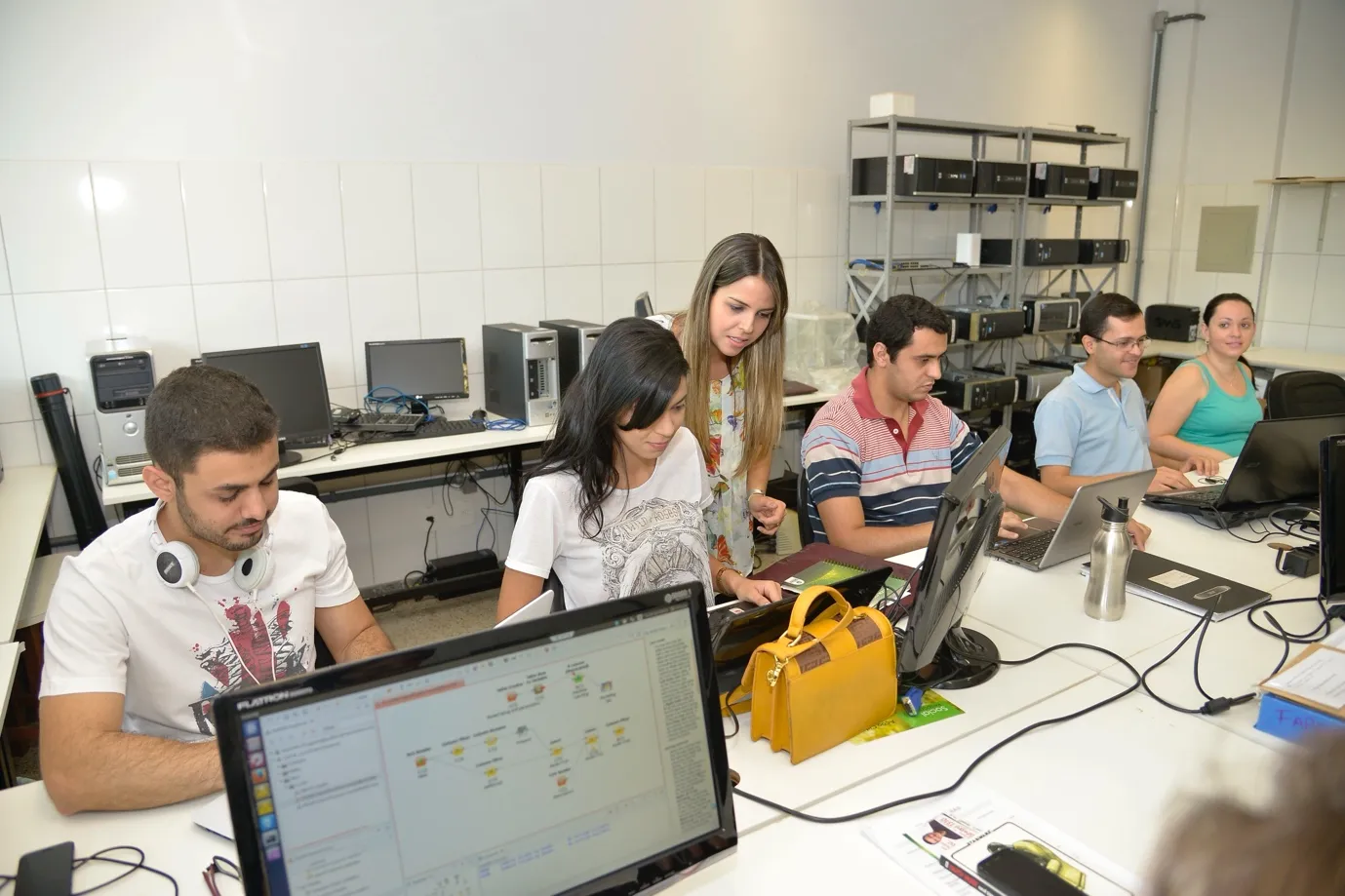
LabMol was founded in 2009 at the Faculty of Pharmacy of the Federal University of Goiás. The first computing room occupied a small space in the former pharmacy building, and the first computers were acquired through the DCR/FAPEG/CNPq project.
Between 2010 and 2013, the first research team consolidated, undergraduate and master's students joined the group, and the lab built the collaborations and working routines that would support the next phase of growth.
Highlights
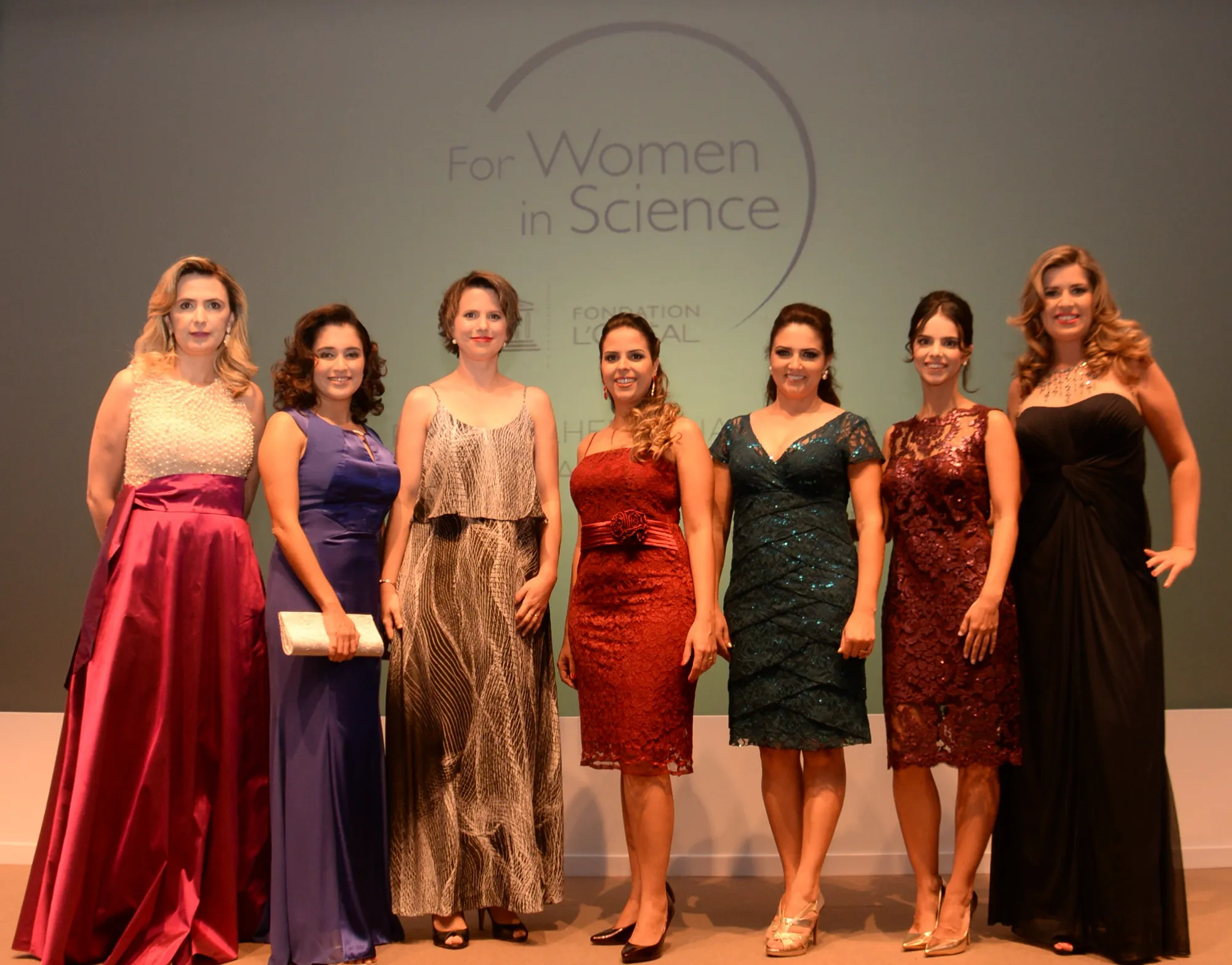
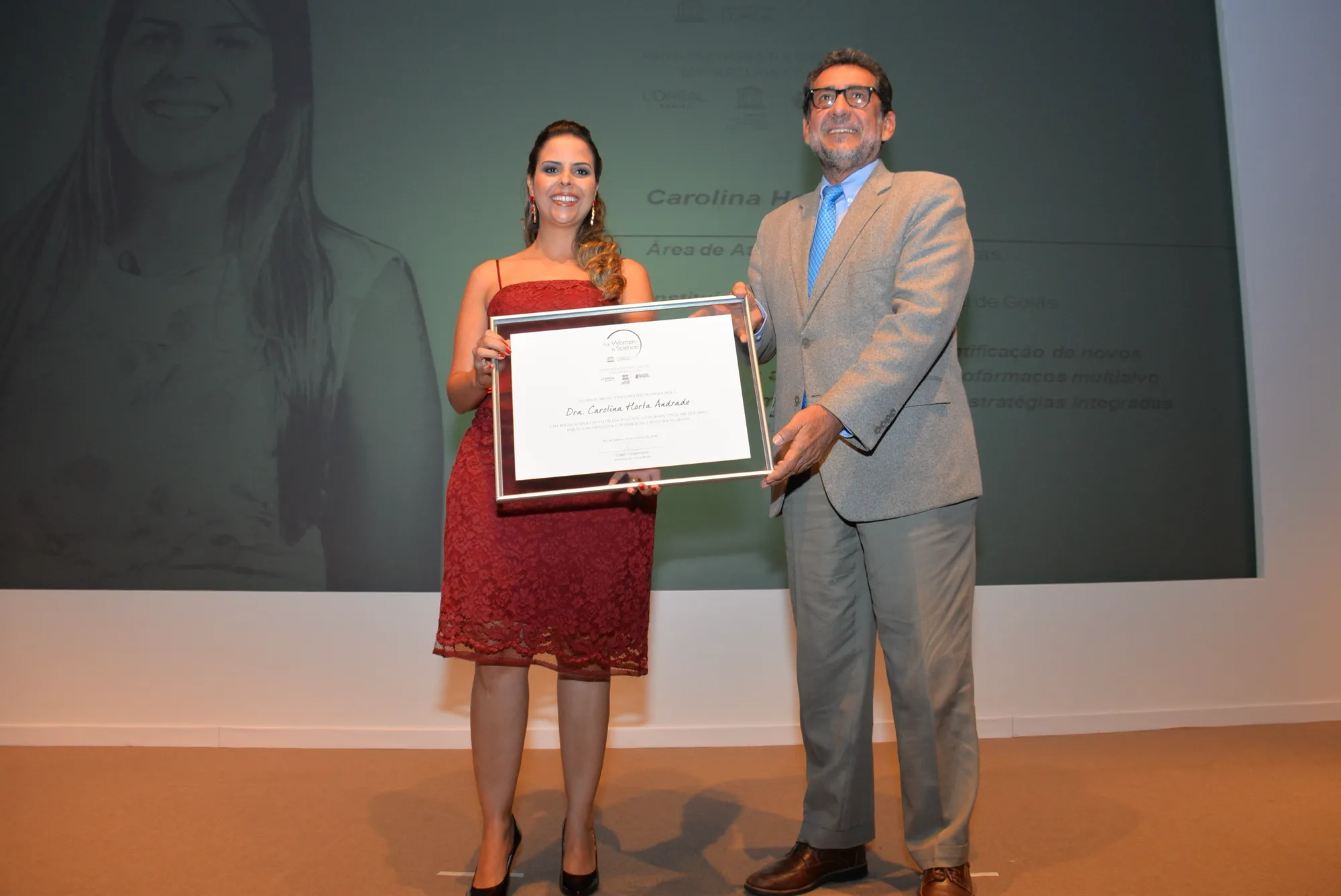
L'Oréal-ABC-UNESCO Women in Science
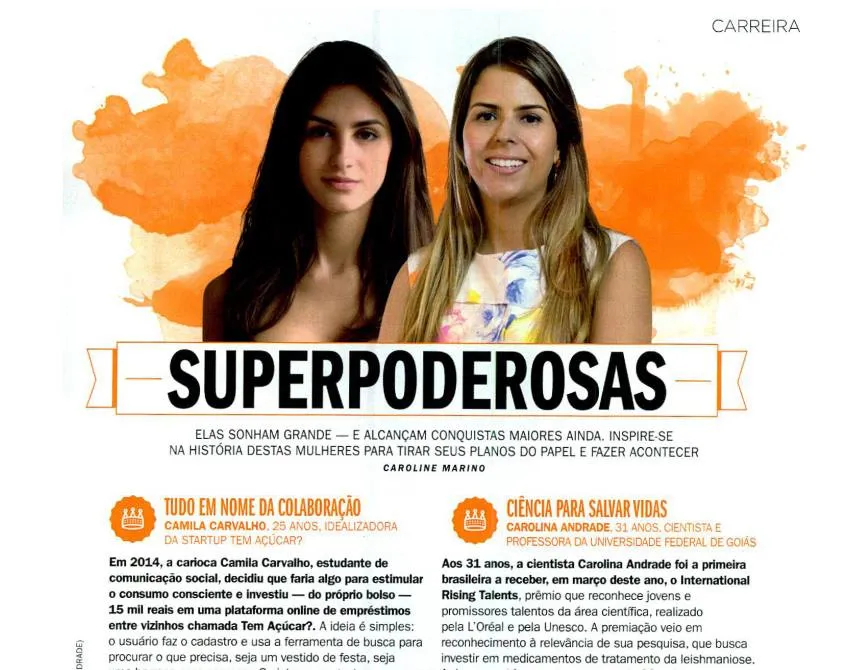
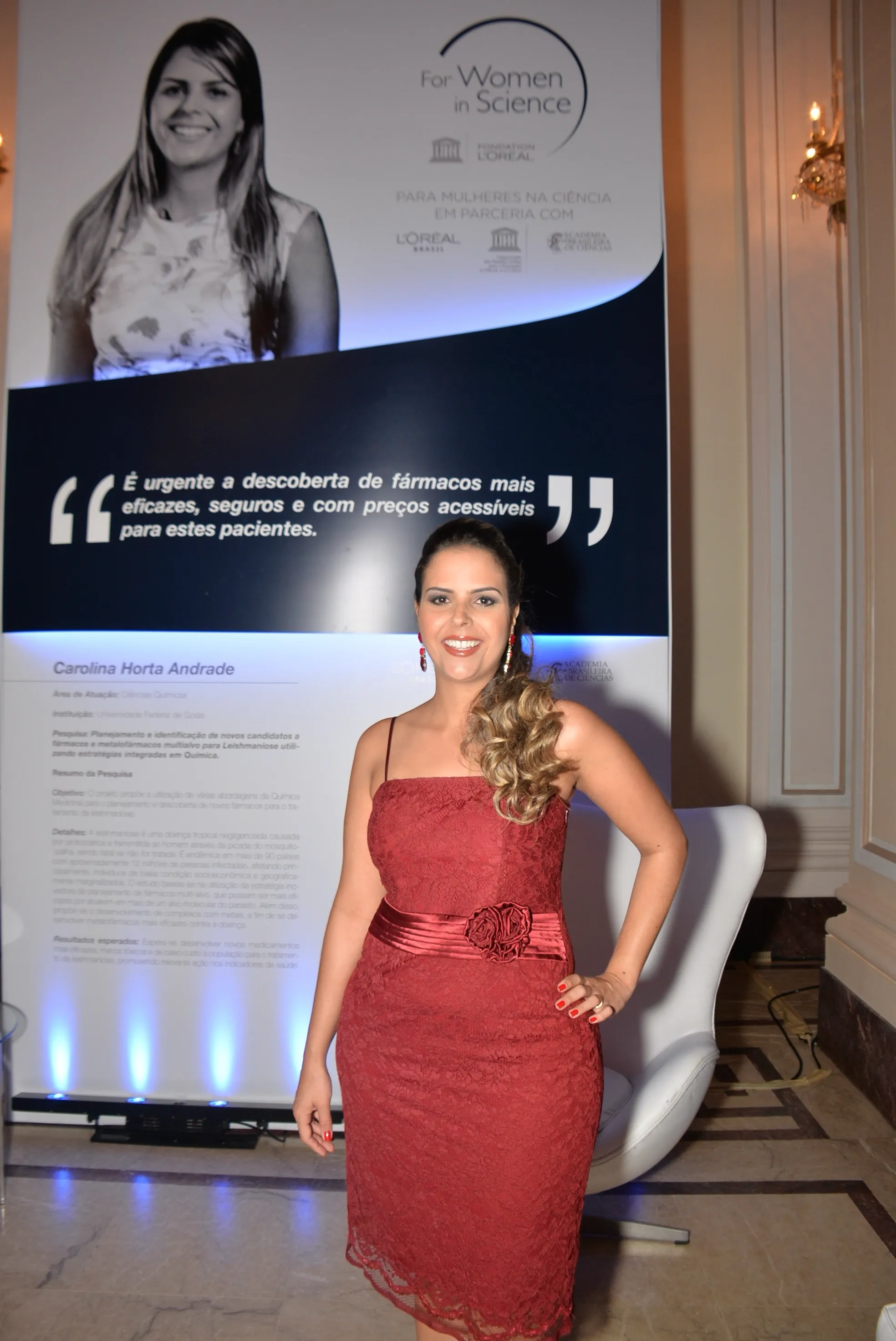
In 2014 Prof. Carolina Horta received the L'Oréal-ABC-UNESCO Women in Science recognition, a milestone that brought LabMol into the national conversation.
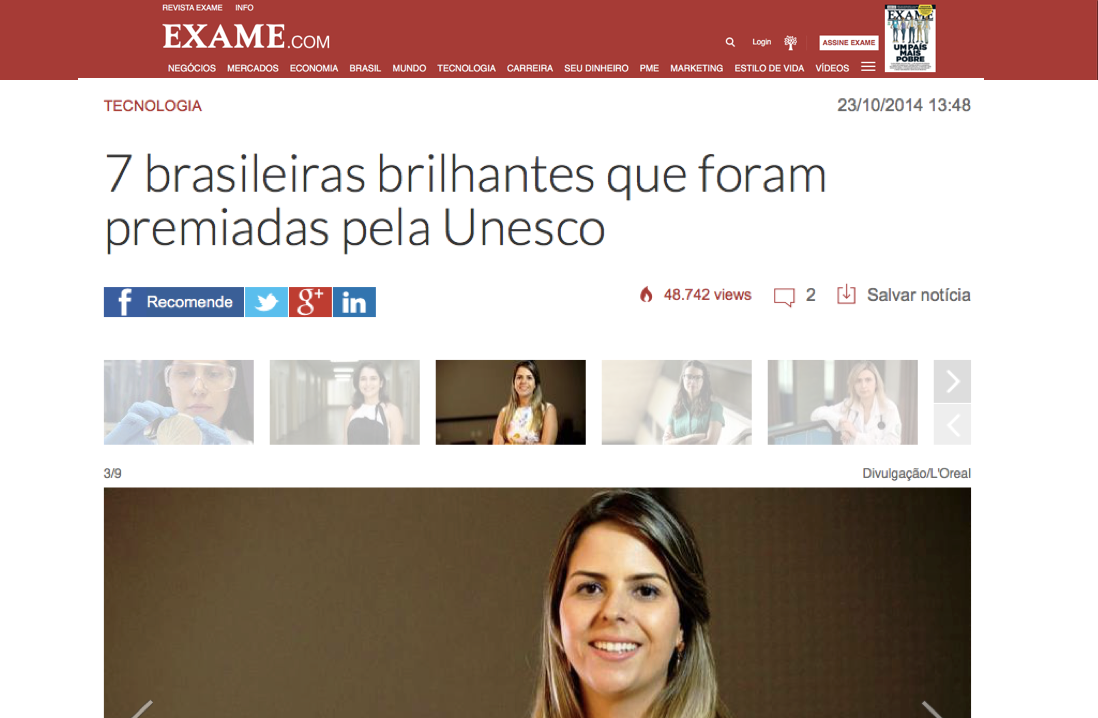
The award generated coverage in Exame, Jornal Opção, Lugar de Mulher, FAPESP, Jornal UFG and Fapergs, showing how quickly the story resonated across science and general media.
Highlights
Other links

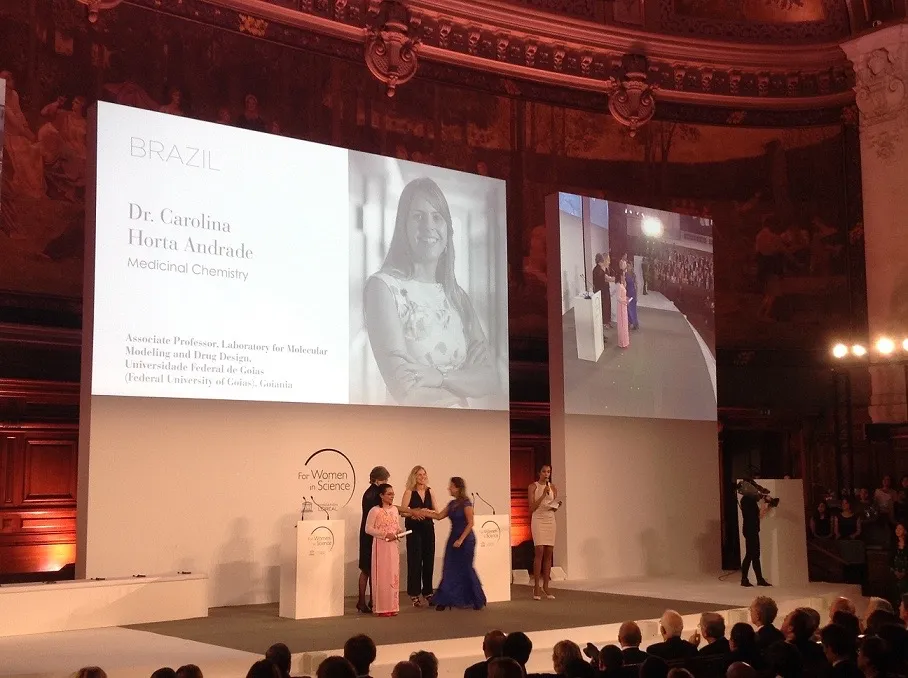
International Rising Talents - Paris
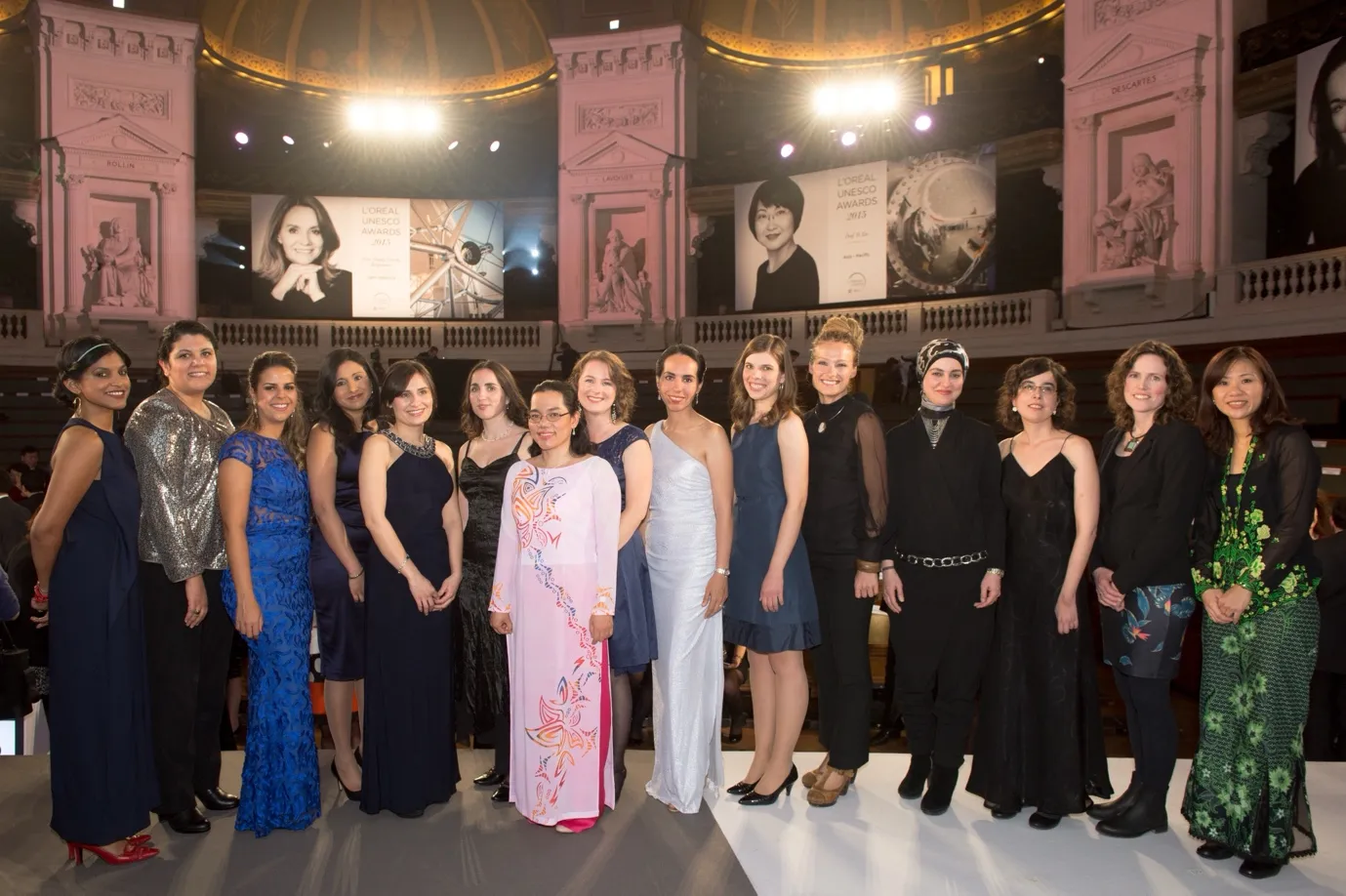
In Paris, Carolina was honored as an International Rising Talent by L'Oréal and UNESCO, recognized among the 15 most promising young scientists in the world.
The milestone also brought a second ACS-CINF prize and expanded LabMol's visibility well beyond Brazil.
Highlights
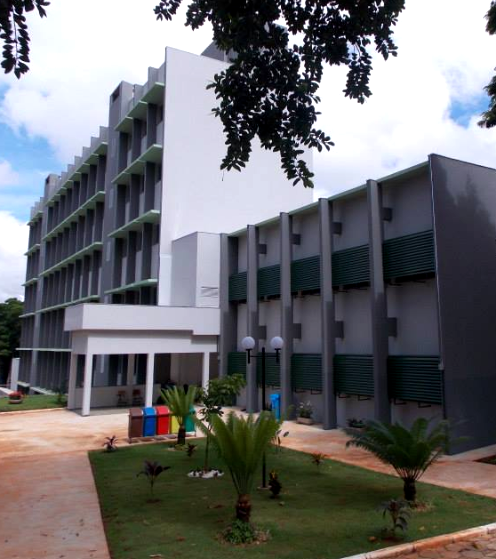
Elected Affiliated Member of the Brazilian Academy of Sciences (ABC) and new building
Prof. Carolina Horta became an affiliated member of the Brazilian Academy of Sciences.
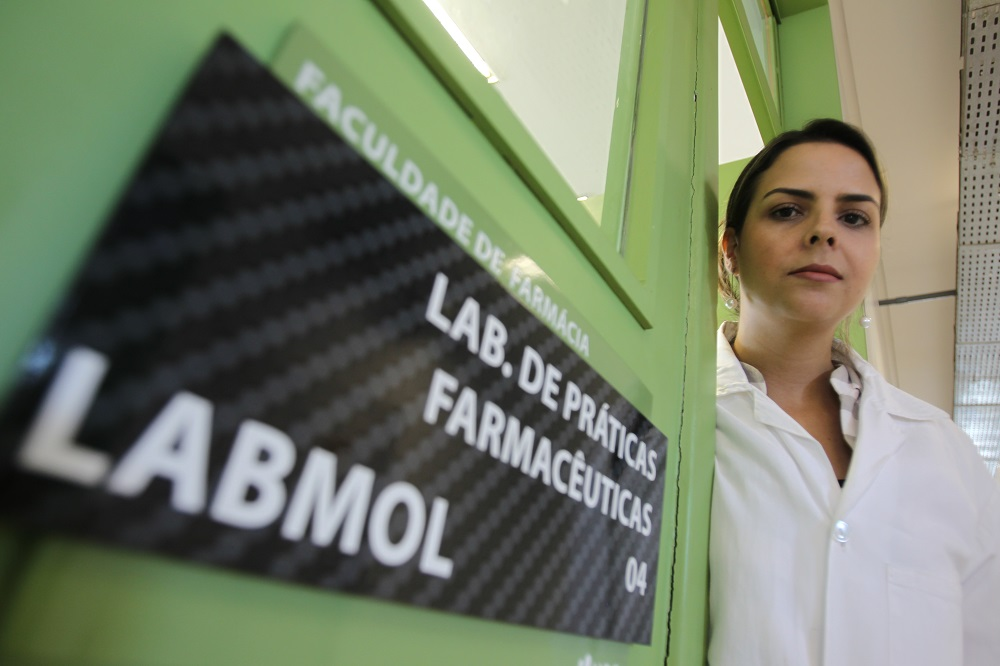
LabMol moved to the new Faculty of Pharmacy building, gaining a larger and modernized research space.
Highlights
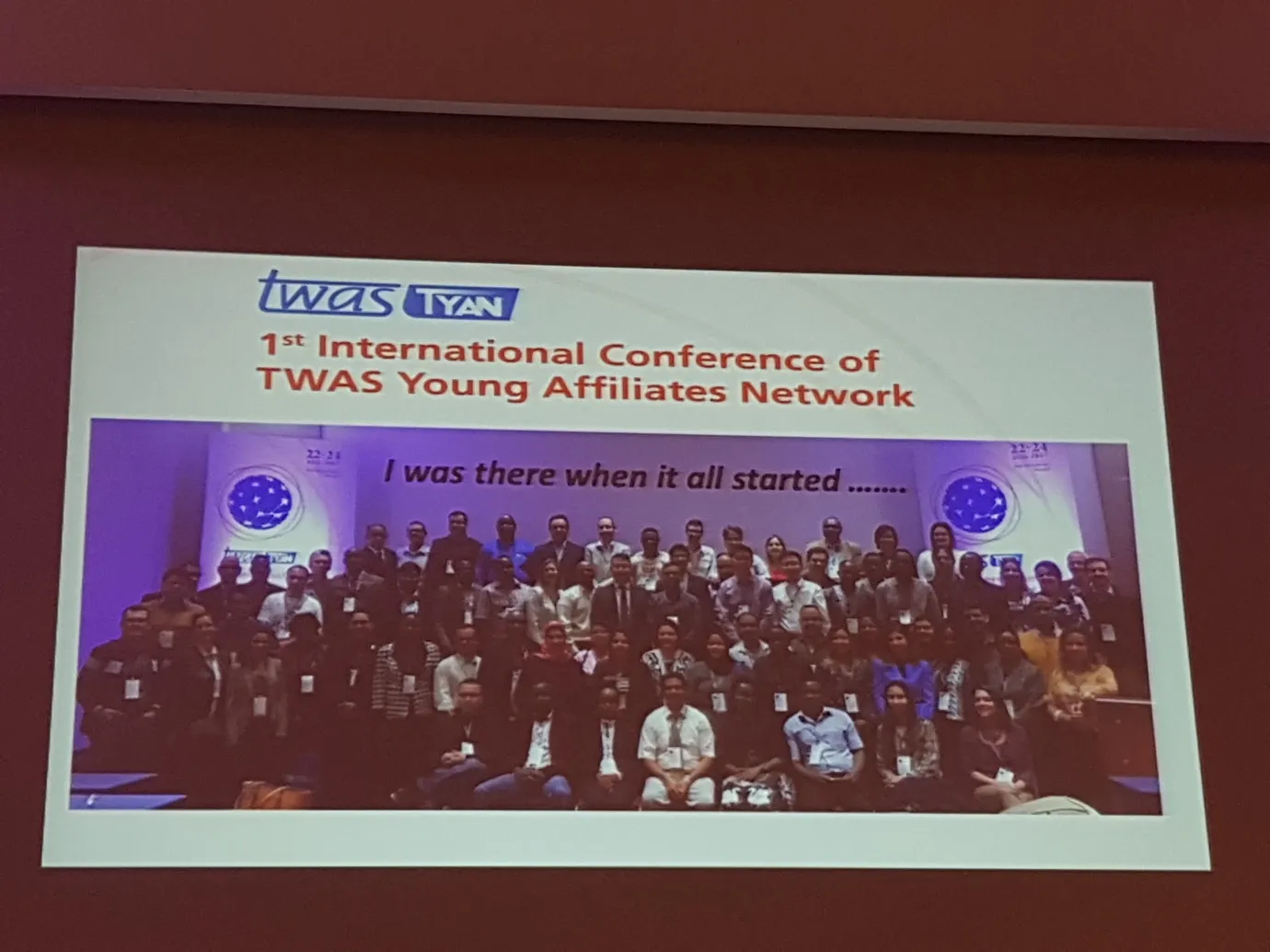
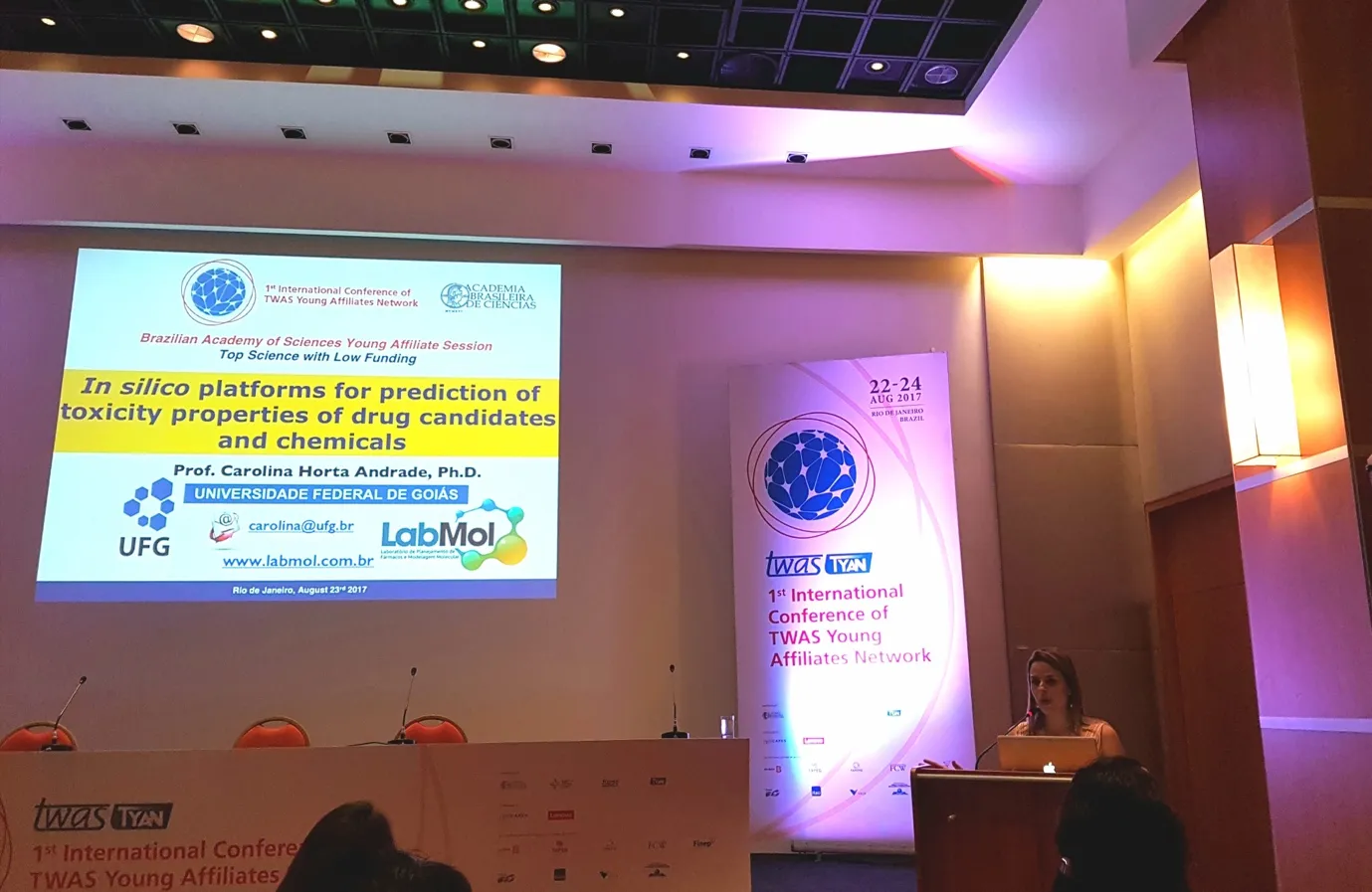
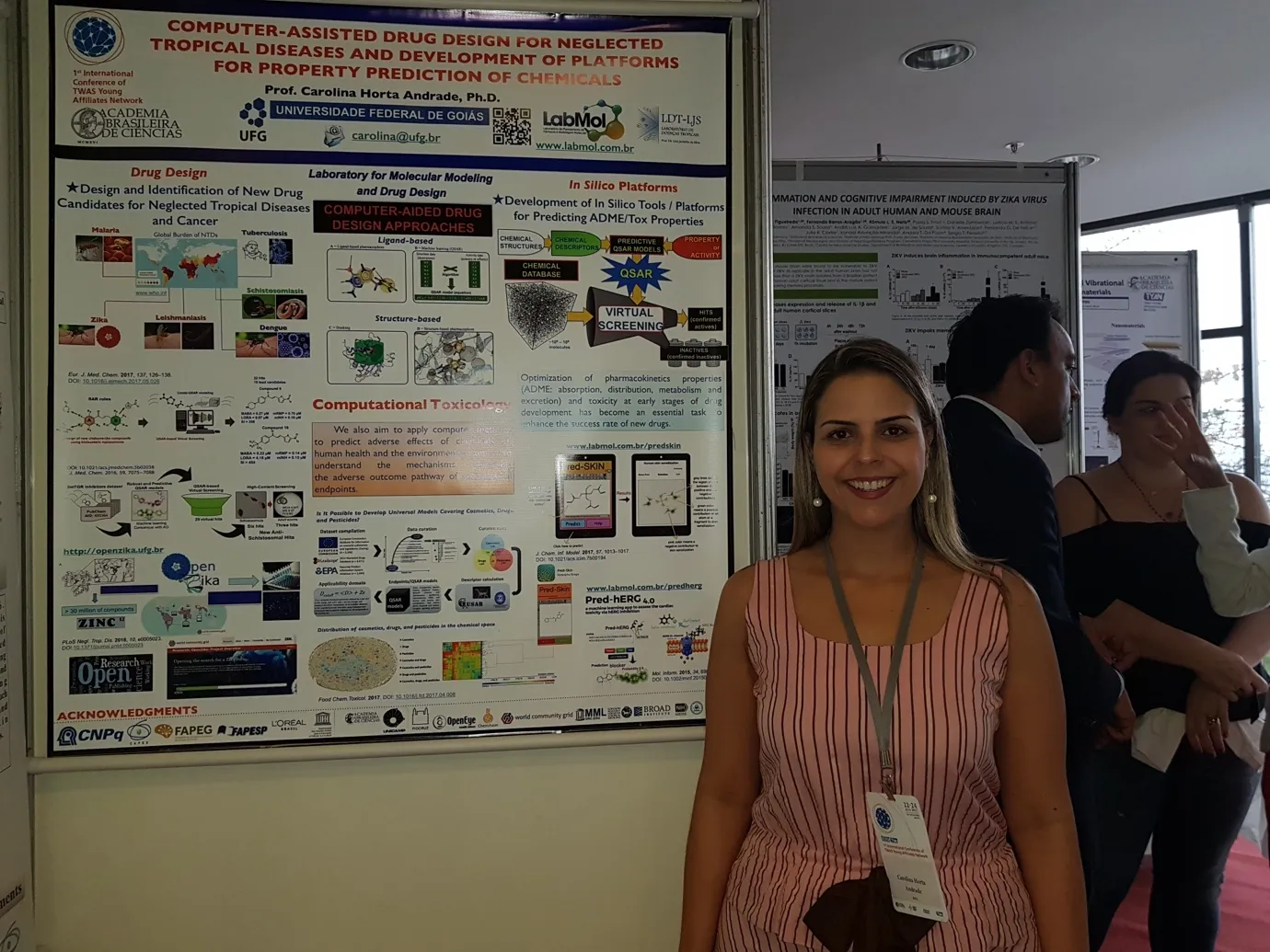
TWAS Young Affiliates Network
LabMol participated in the first international TWAS Young Affiliates Network conference, consolidating its presence among young scientists with global impact.
The year strengthened international collaborations and the group's work on neglected diseases and emerging viral threats.
Highlights
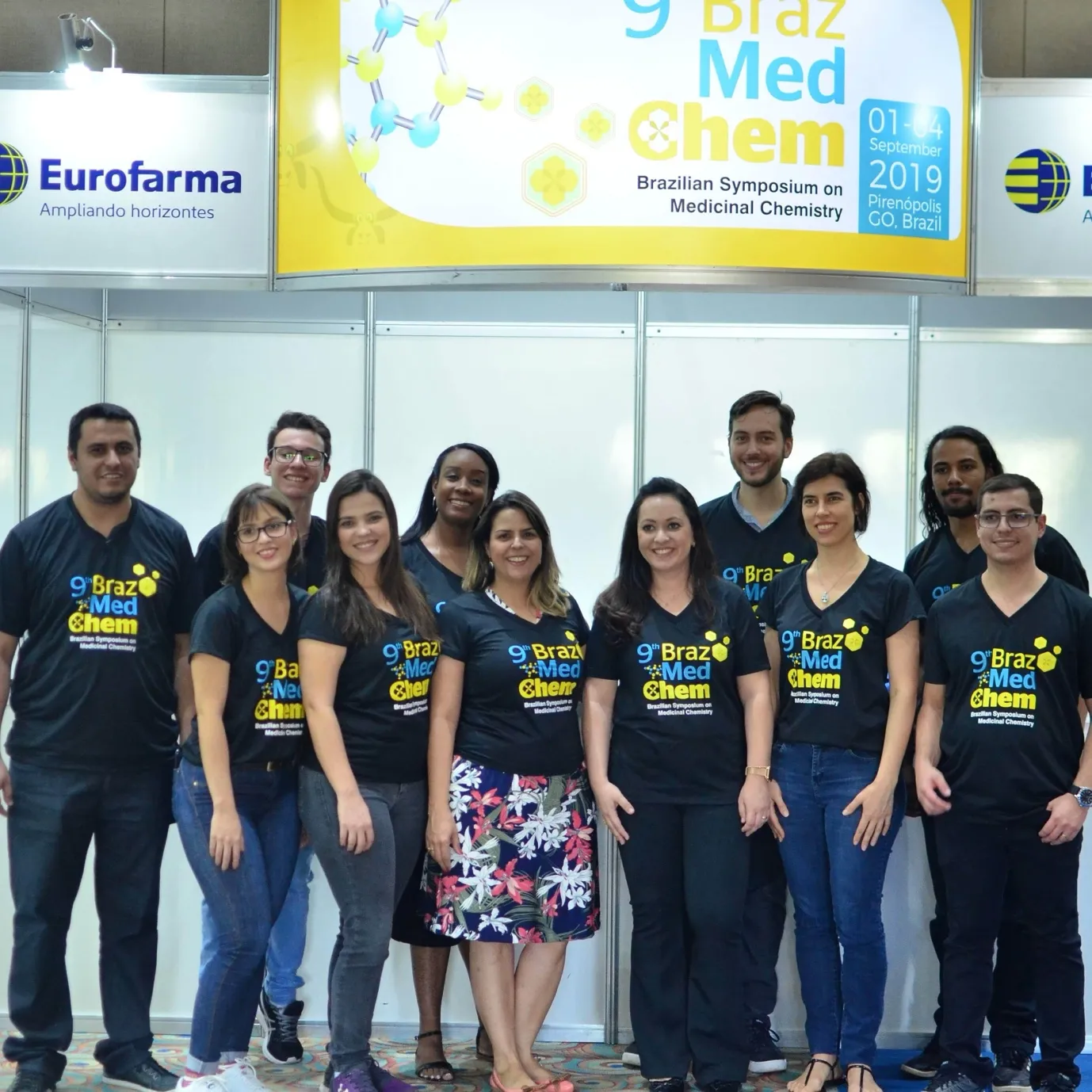
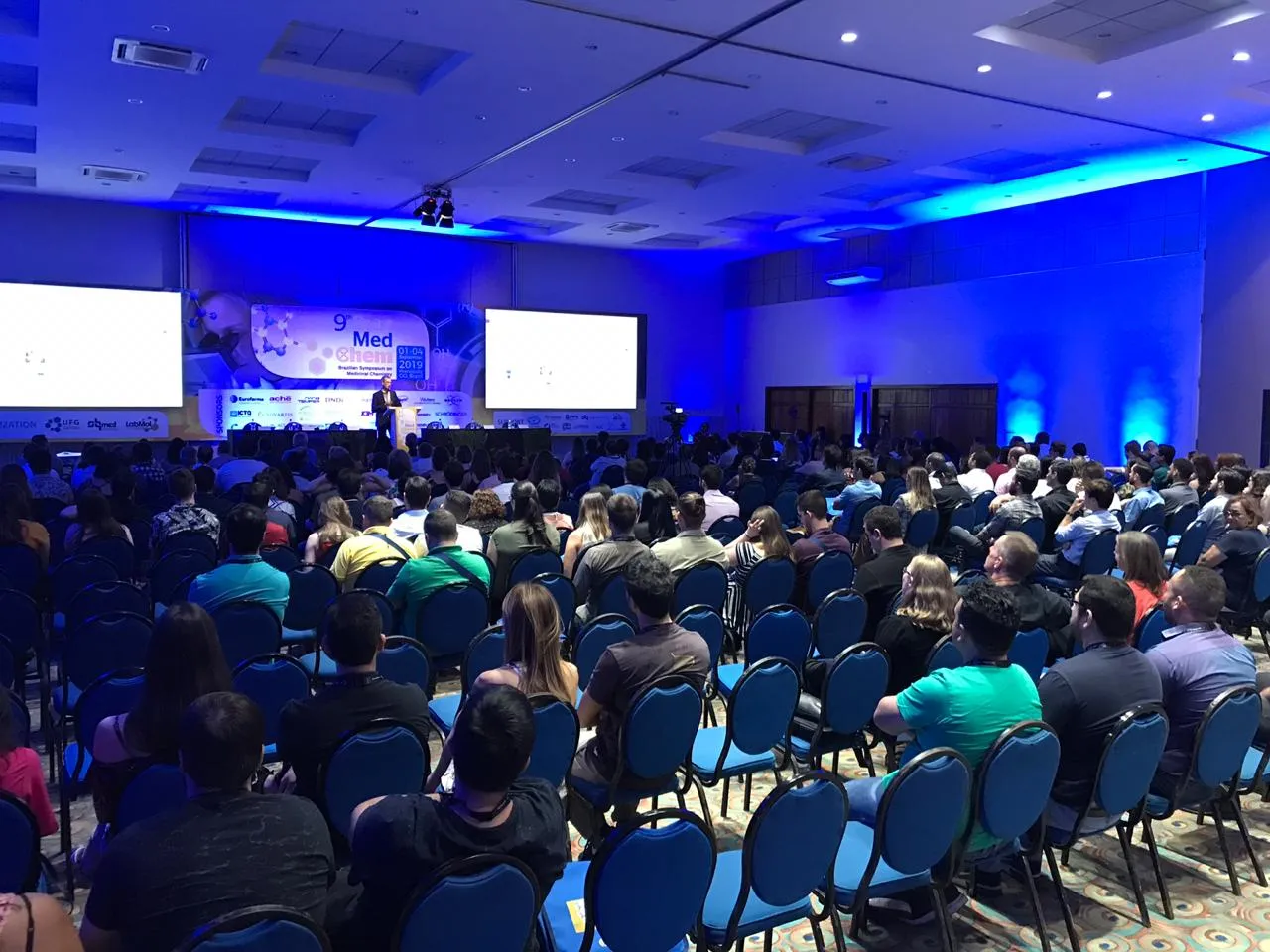
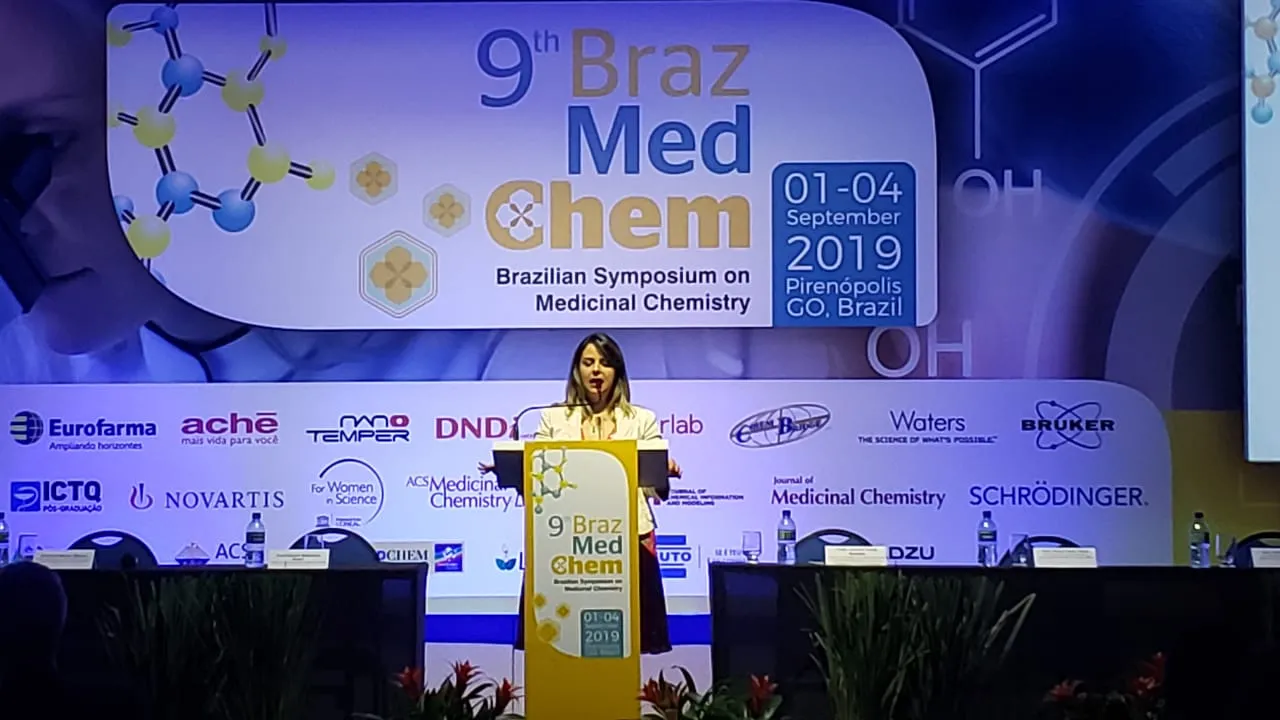
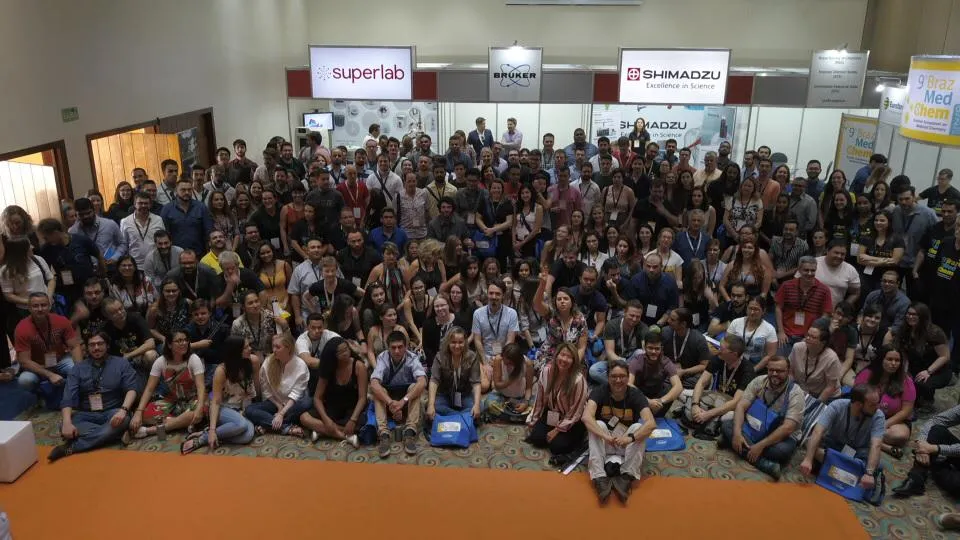
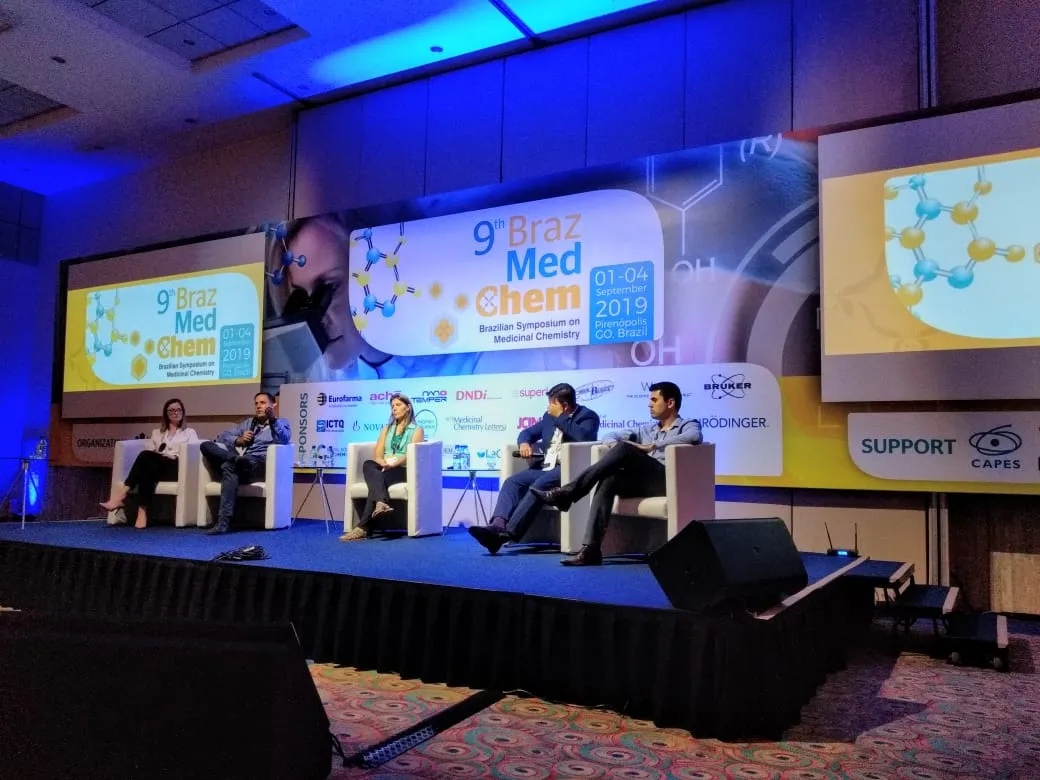
BrazMedChem - Latin America's largest Medicinal Chemistry event
Prof. Carolina Horta chaired the organizing committee of the 9th Brazilian Symposium on Medicinal Chemistry (BrazMedChem 2019), the largest medicinal chemistry event in Latin America.
The event reinforced LabMol's leadership in the field and coincided with a third ACS-CINF prize.
Highlights
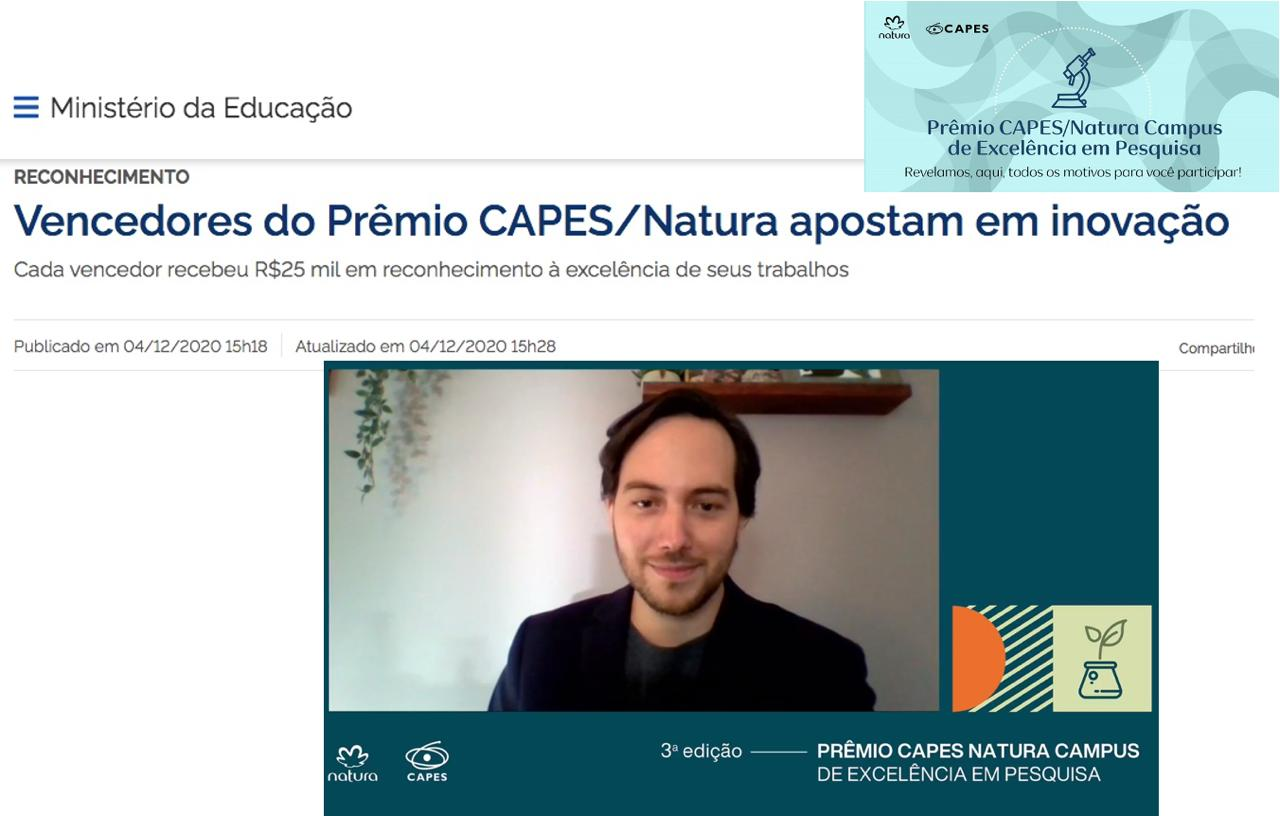
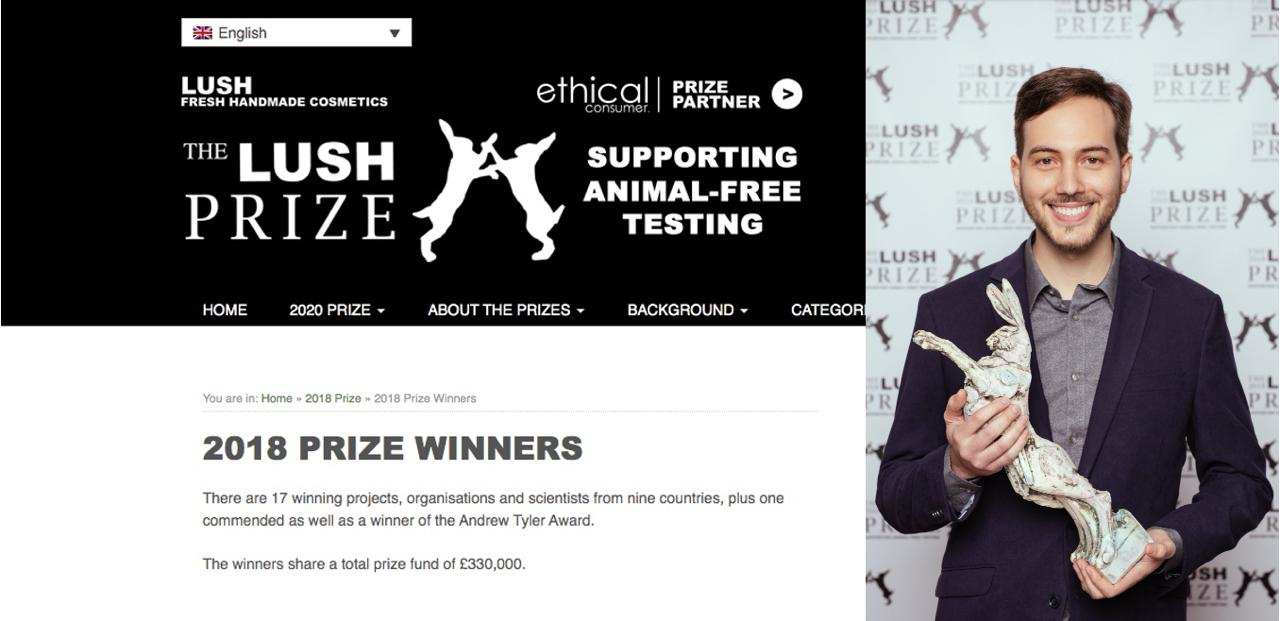
International Recognition in Scientific Training
LabMol's formative excellence was crowned with unprecedented achievements by PhD student Vinícius de Medeiros Alves. His work on Pred-Skin, an AI platform alternative to animal testing, earned two of the most prestigious awards in the field.
He won the Lush Prize - Young Researcher Award (2018) in London, and the CAPES/Natura Campus Prize for Research Excellence (2020), consolidating the lab as a hub for real-world impact science.
Highlights
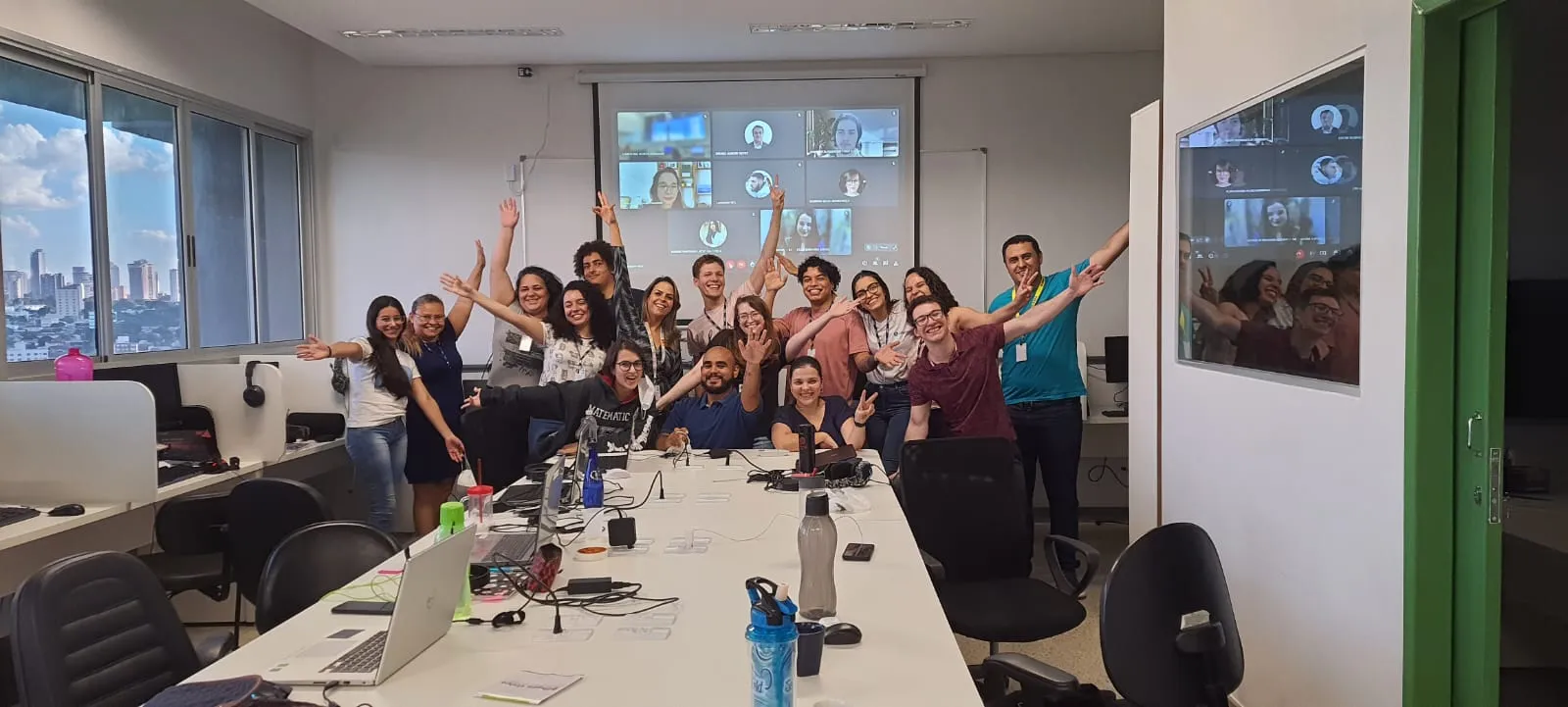
New facilities & CEIA integration
LabMol moved to its current facilities on the fourth floor of the Faculty of Pharmacy at UFG.
Carolina also became formally integrated as a responsible researcher in the Center of Excellence in Artificial Intelligence (CEIA/UFG), connecting the lab to the broader AI ecosystem.
Highlights
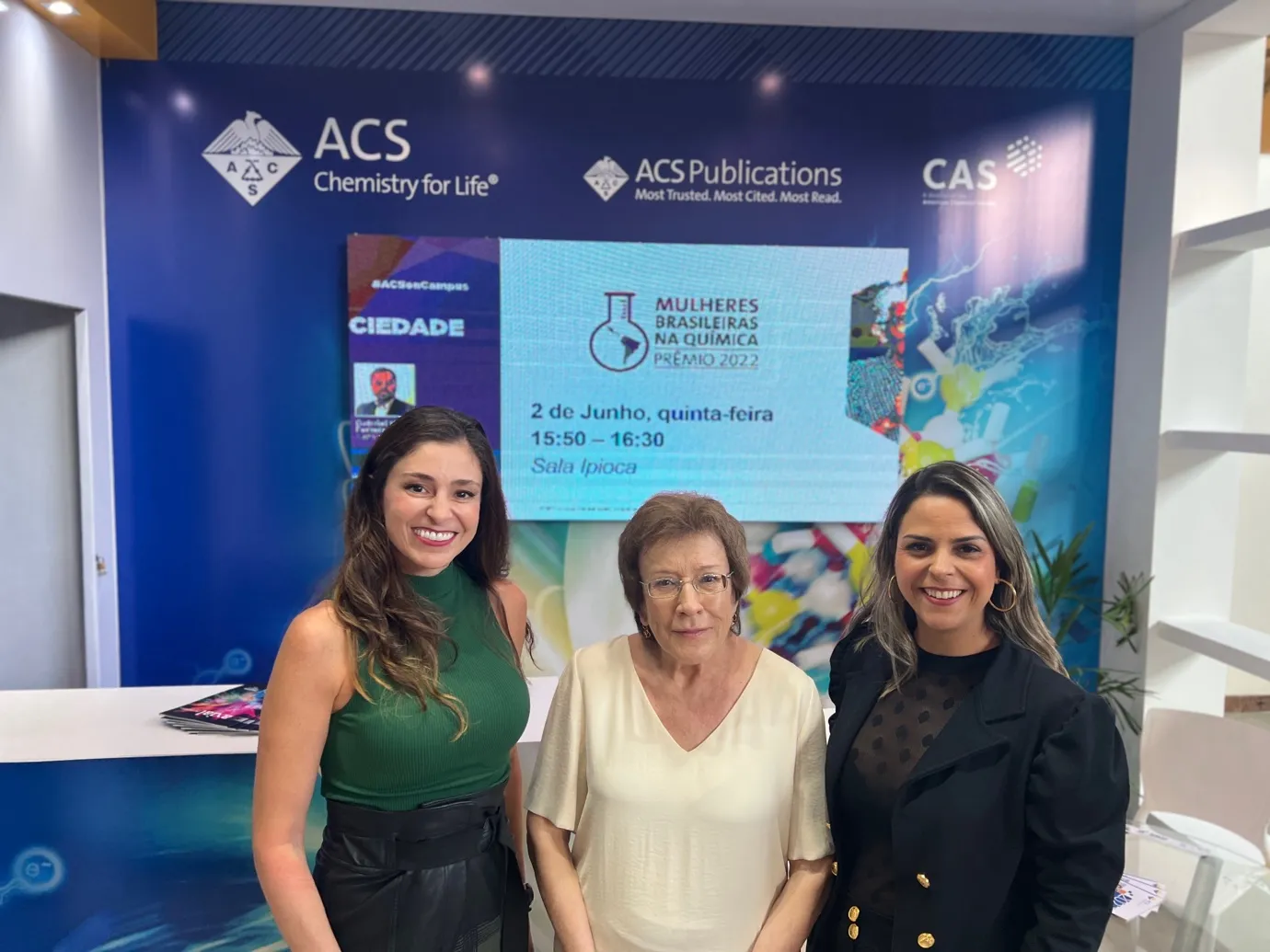
ACS-SBQ Women in Chemistry & CRAFT
LabMol received the 5th Brazilian Women in Chemistry Award in the Emerging Leader category, a recognition that highlighted the group's impact in chemistry and drug discovery.
The same year marked LabMol's entry into CRAFT, the Center for Research and Advancement on Fragments and Molecular Targets.
Highlights
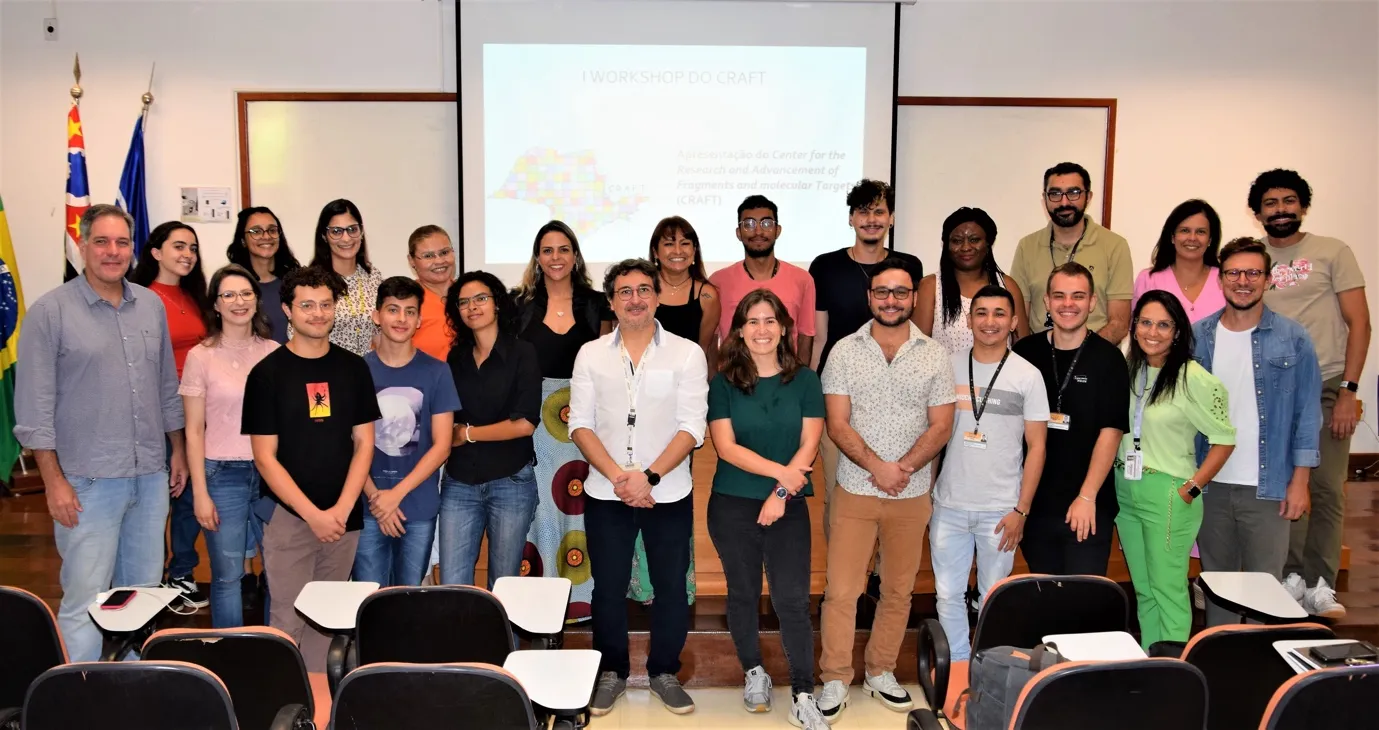
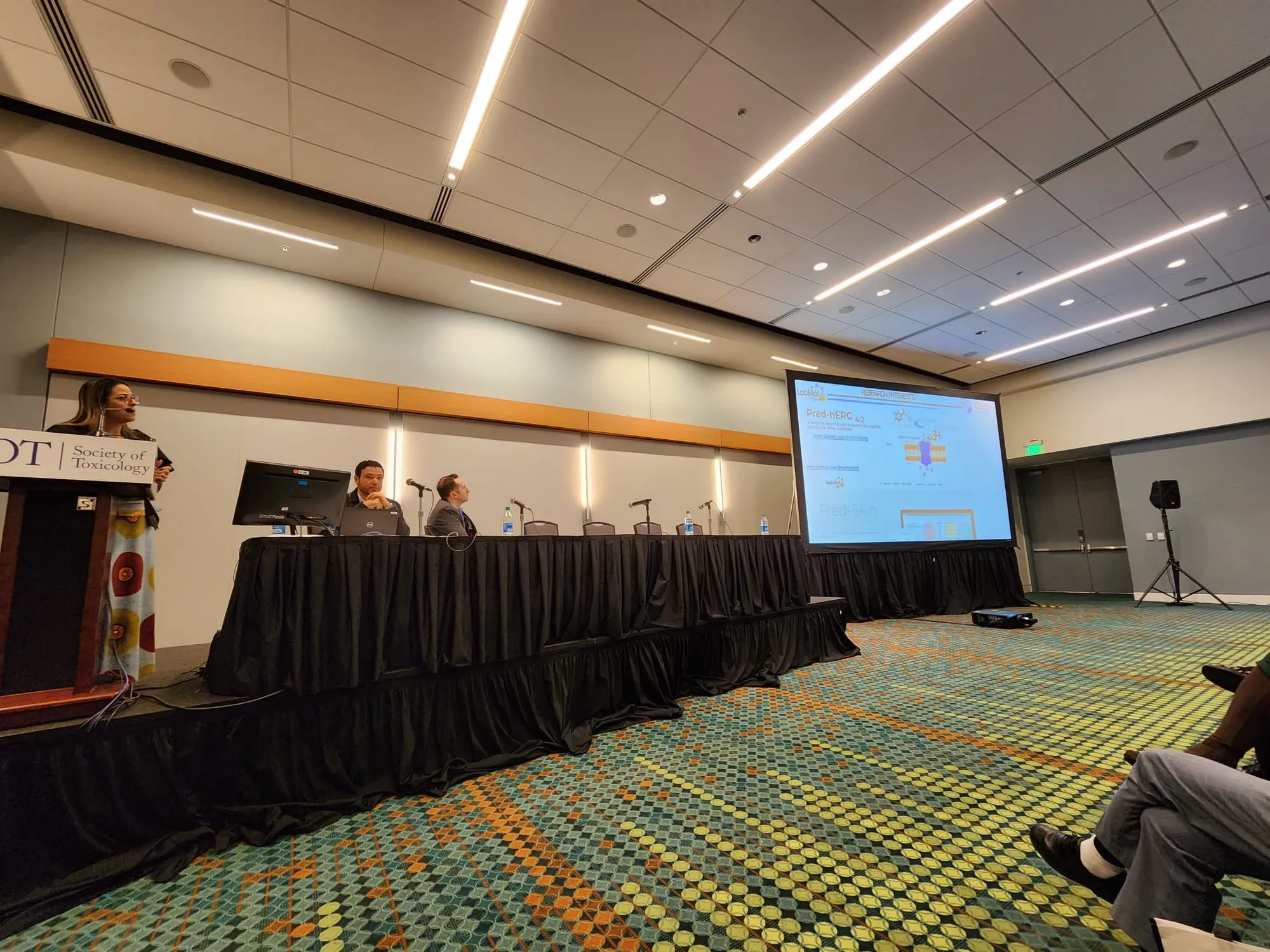
CRAFT workshop & SOT
LabMol organized the first CRAFT workshop, consolidating its role in fragment research.
The team also presented at the Society of Toxicology meeting, the largest toxicology conference in the world, and Carolina received the Early Career MedChemist Award from the SBQ medicinal chemistry division.
Highlights
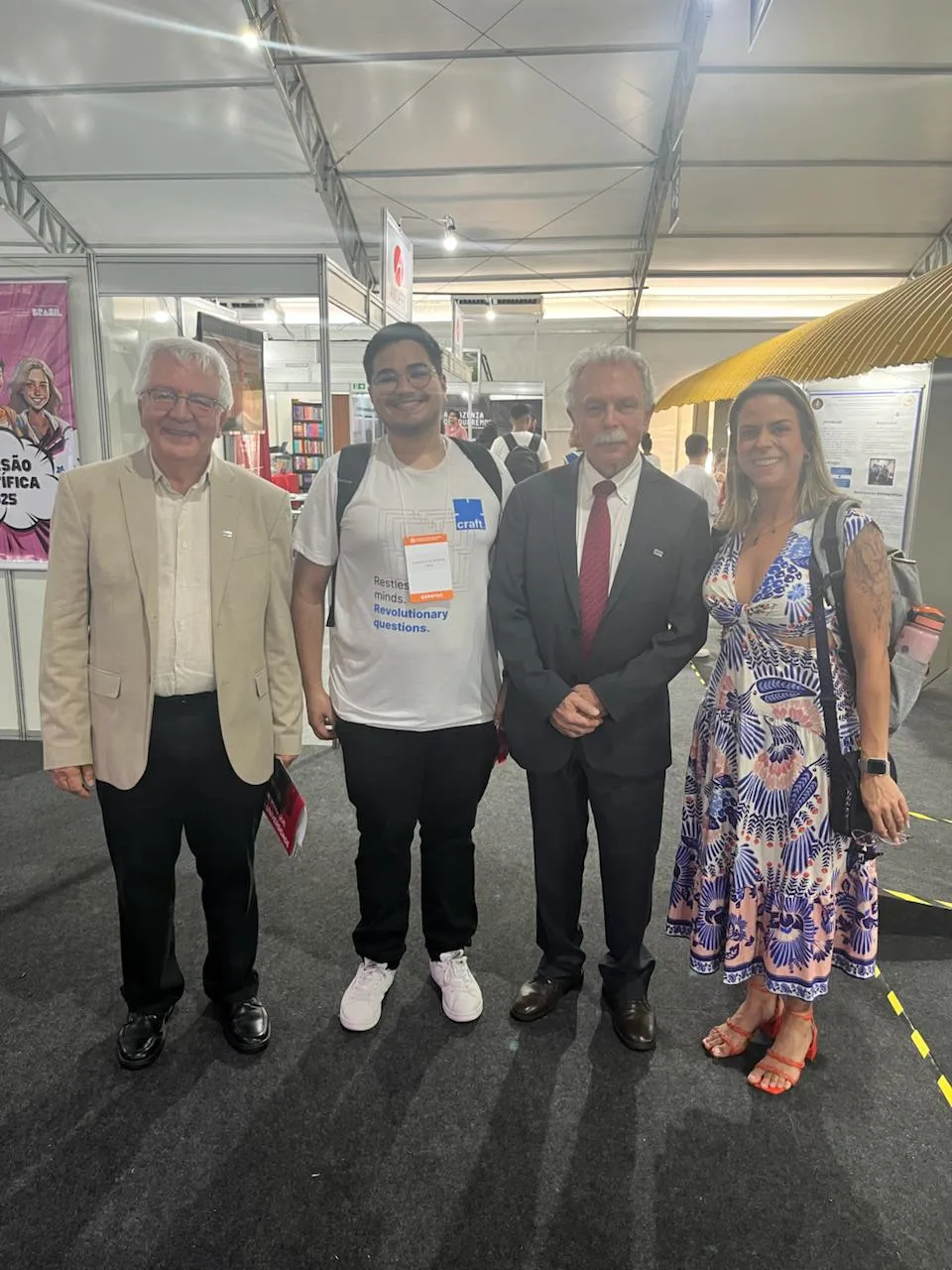
San Diego, CNPq Prize & International Honors
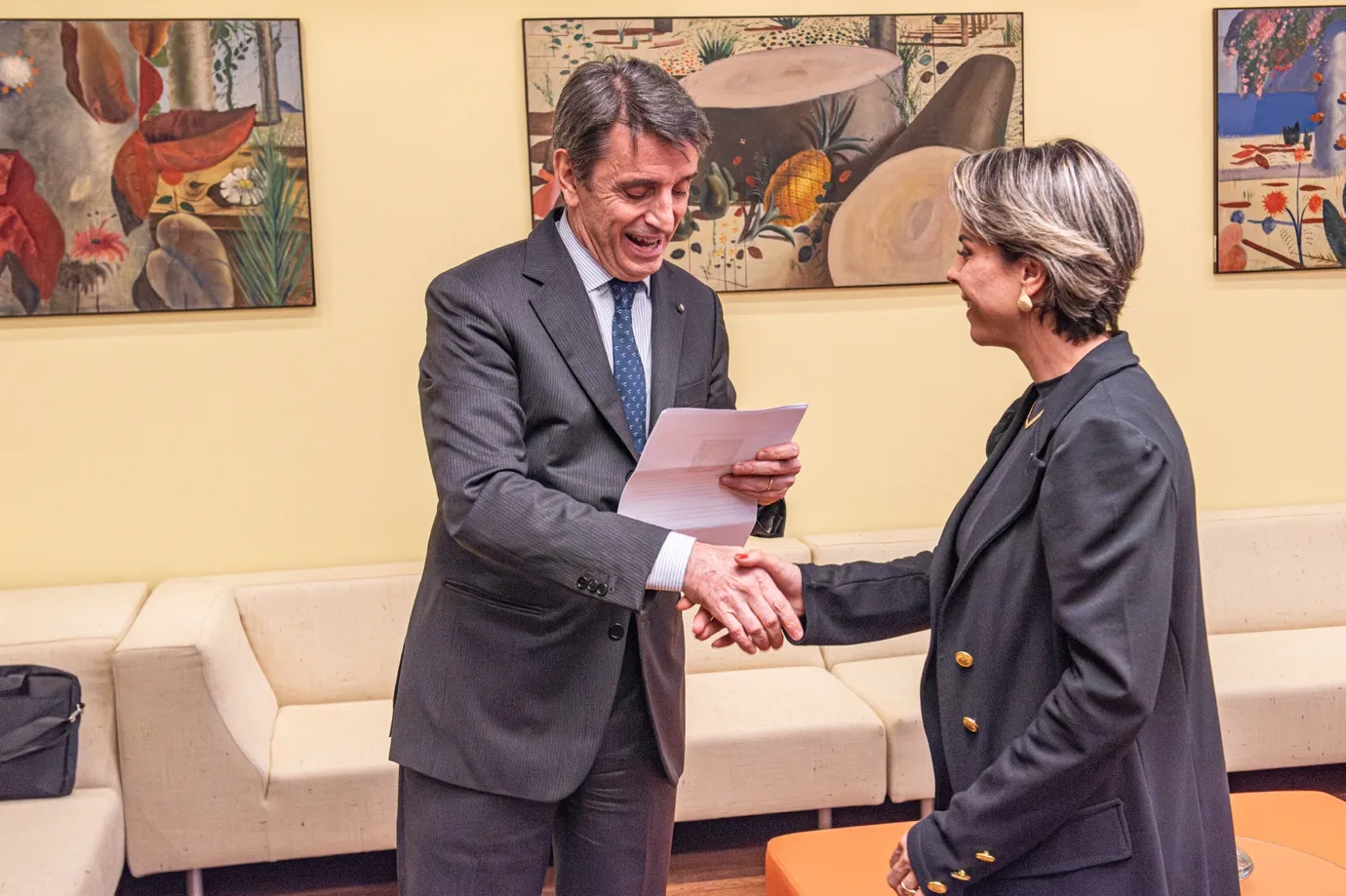
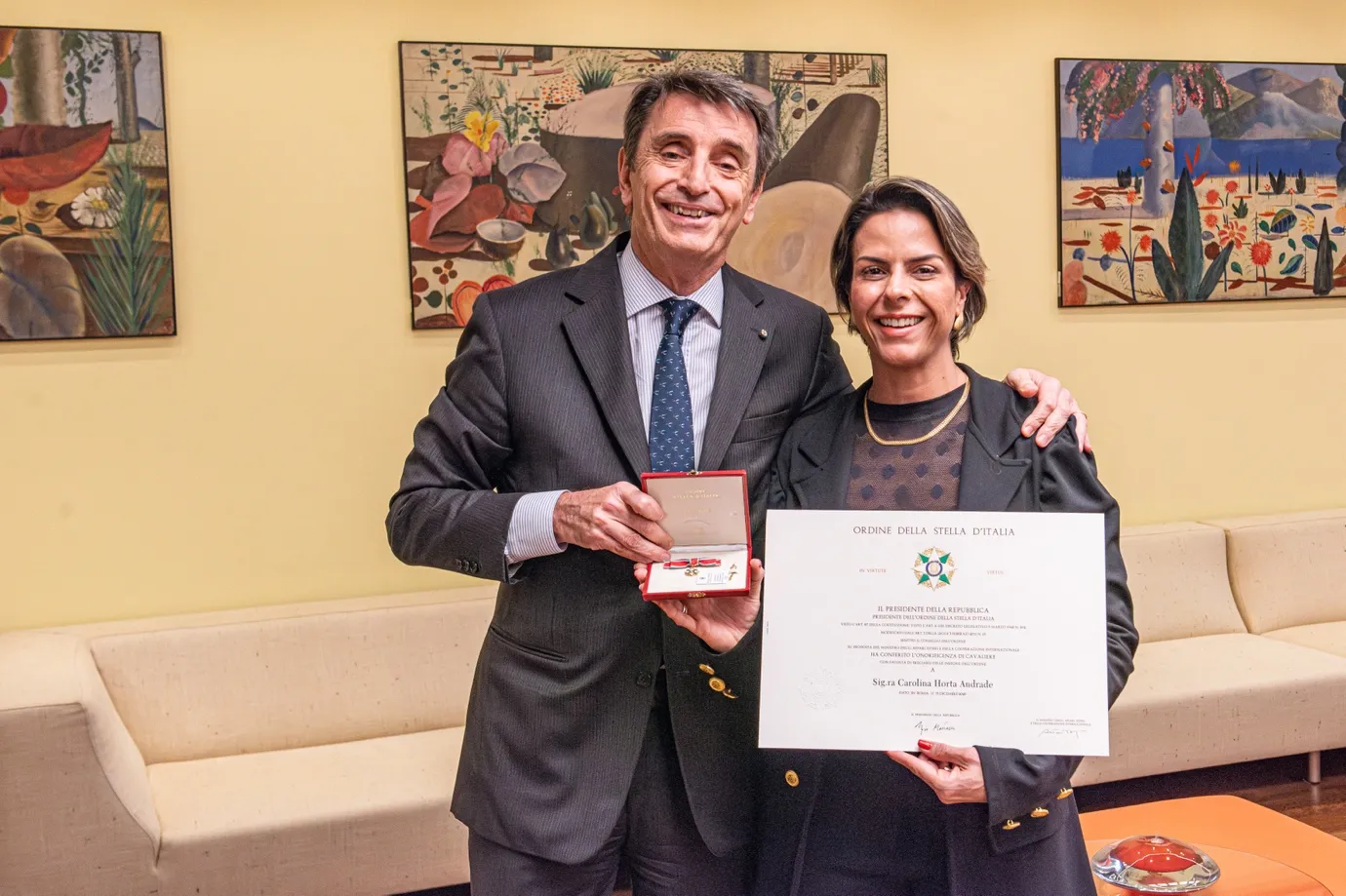
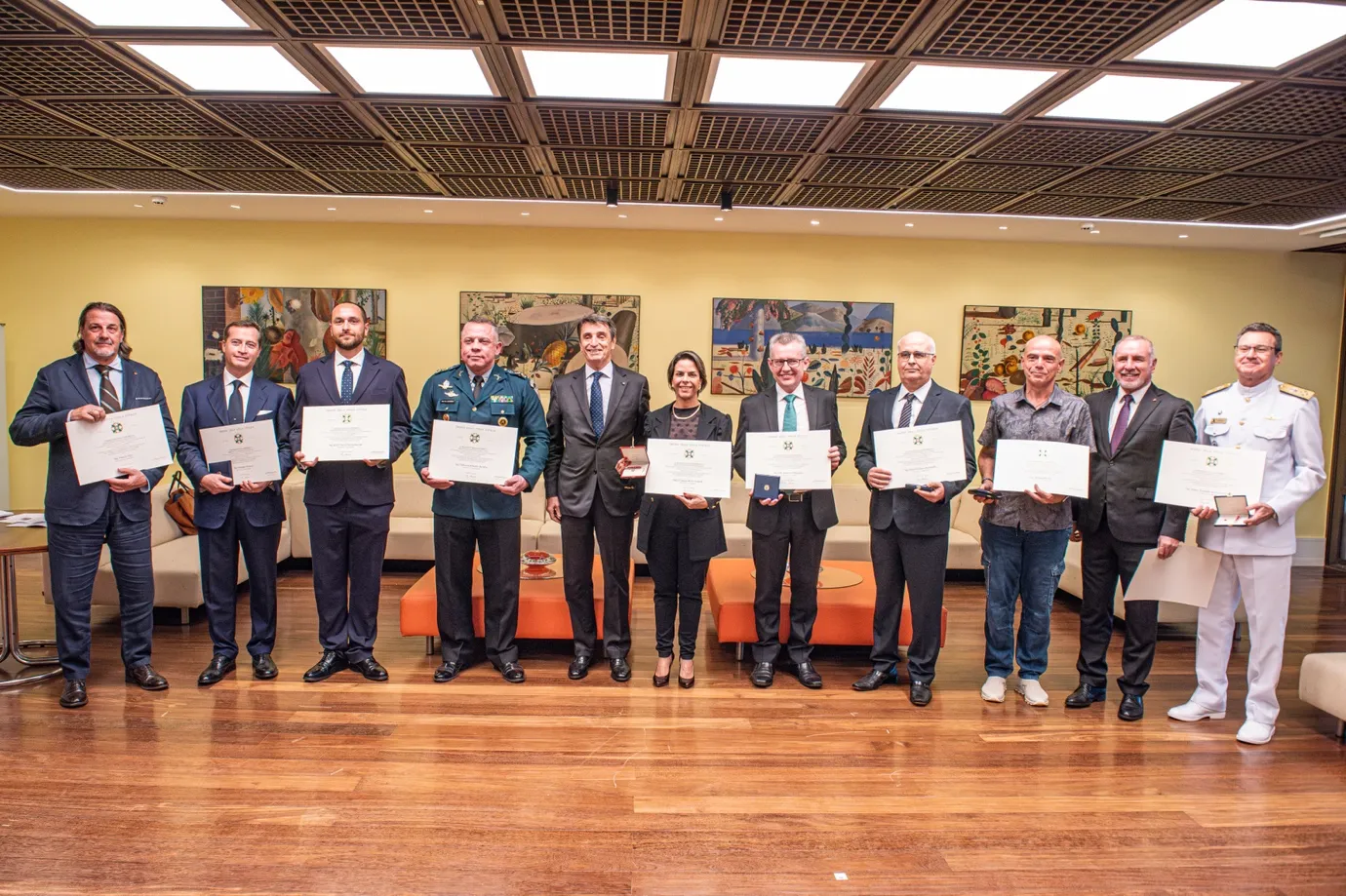
LabMol received the Italian Embassy honor Cavaliere dell'Ordine della Stella d'Italia.
This year also brought a second consecutive appearance in Stanford/Elsevier's Top 2% of the world's most influential scientists and a step into AKCIT, the EMBRAPII center for immersive technologies.
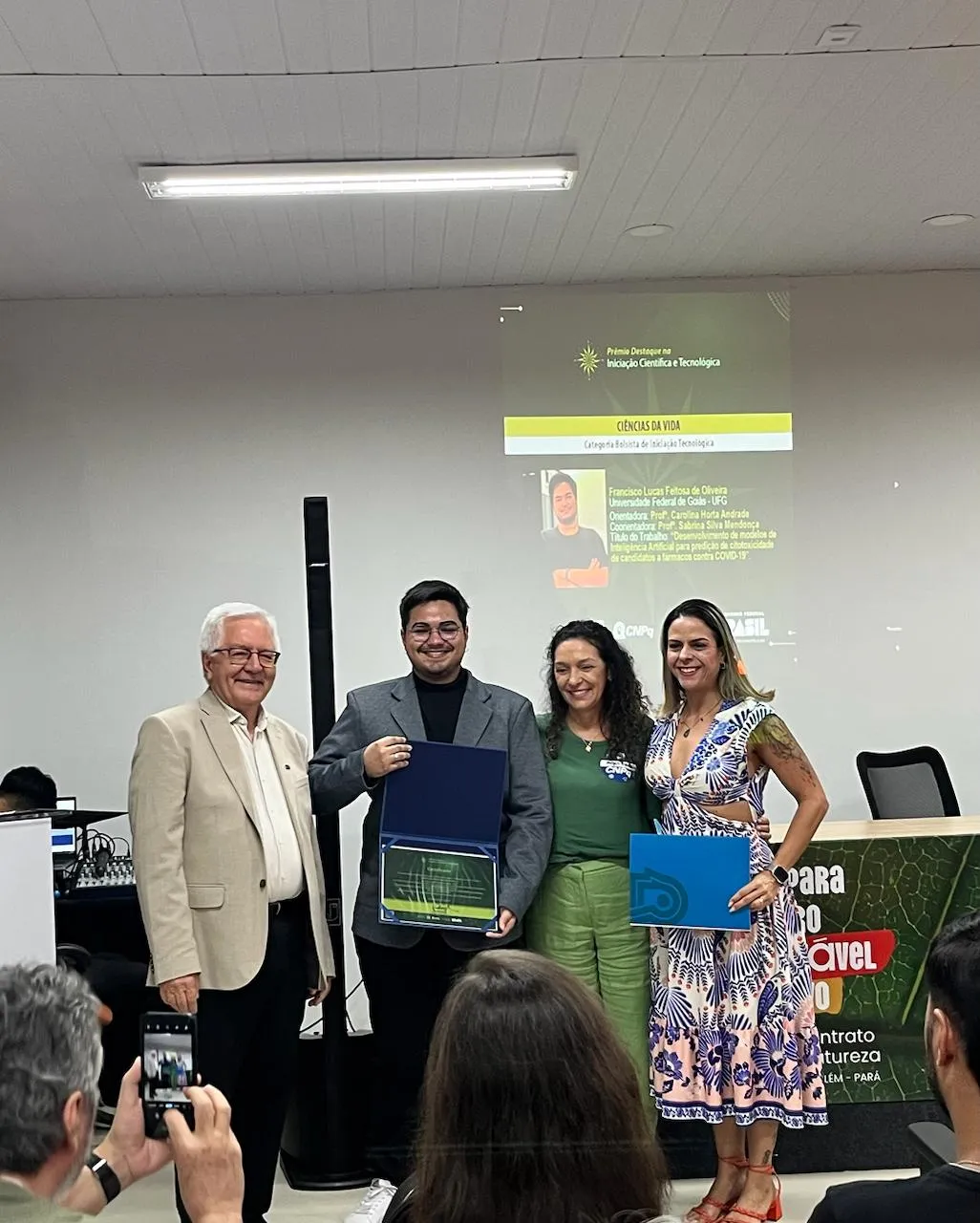
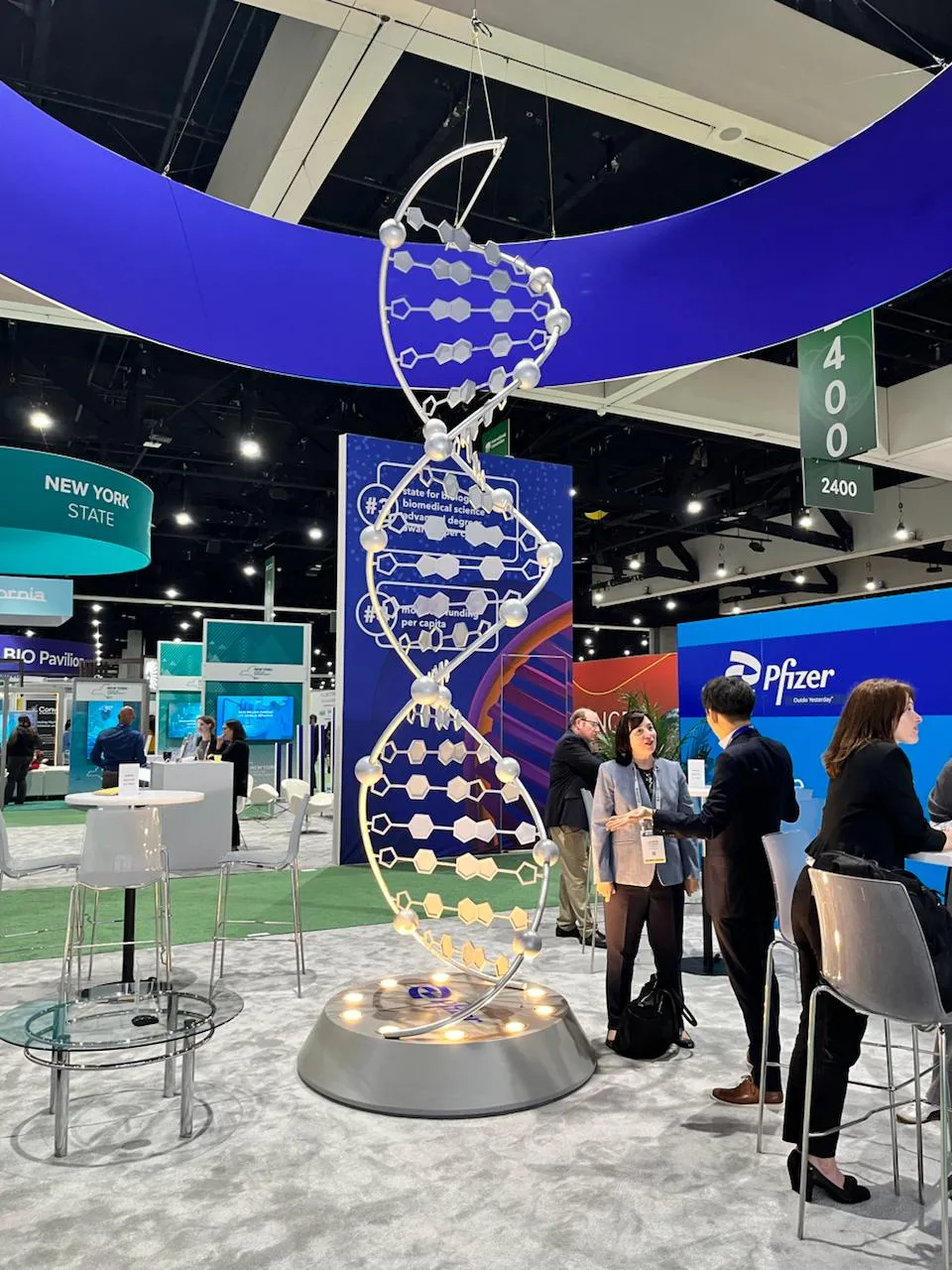
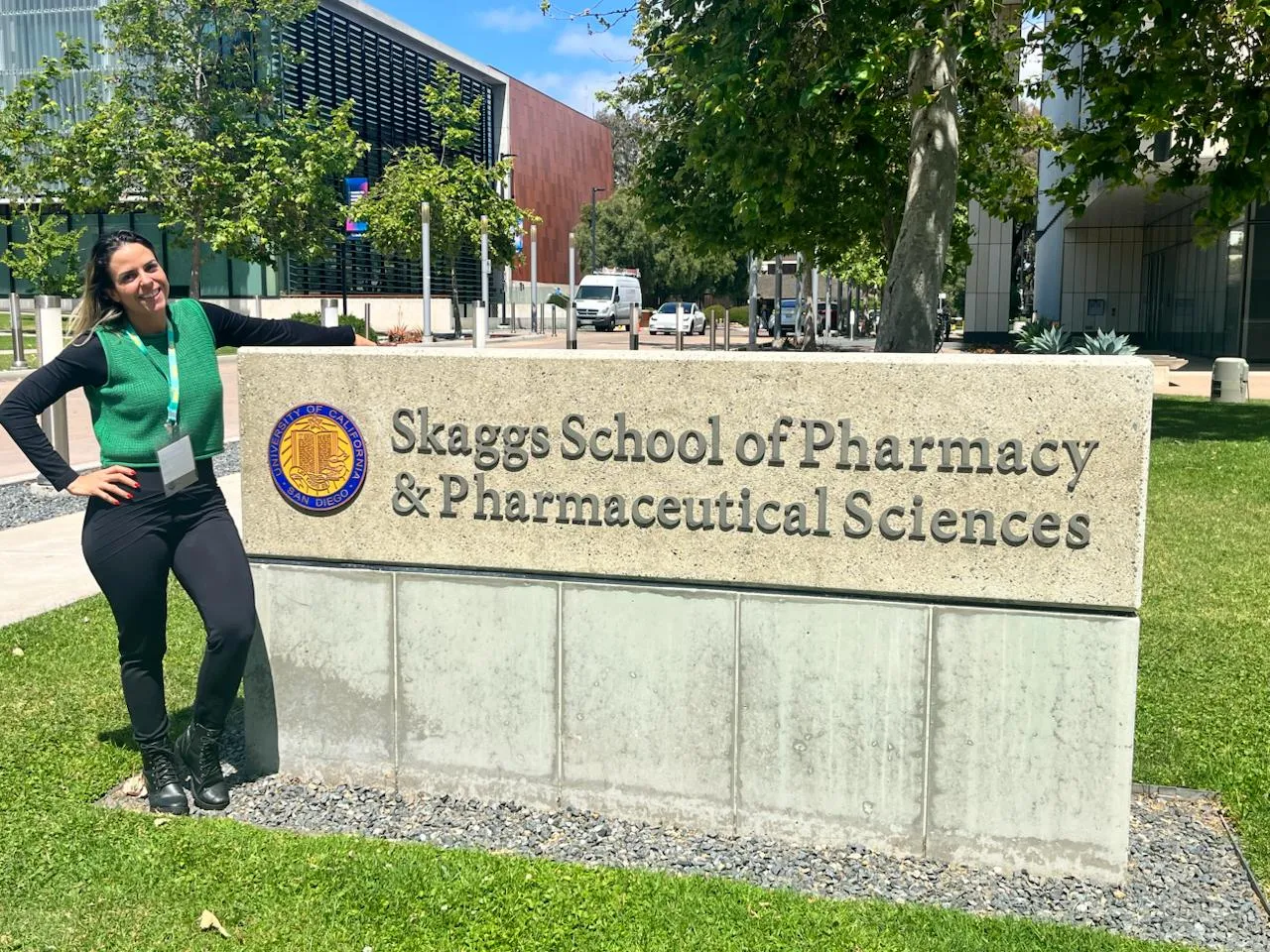
The team participated in the ACS Fall event in San Diego. Furthermore, the tradition of mentoring excellence was reaffirmed when Francisco Lucas de Oliveira won the CNPq Highlight Award in Scientific Initiation for his work on Cyto-Safe.
Highlights
Other links
Goiás Outstanding Researcher Award, OPCW & WC13
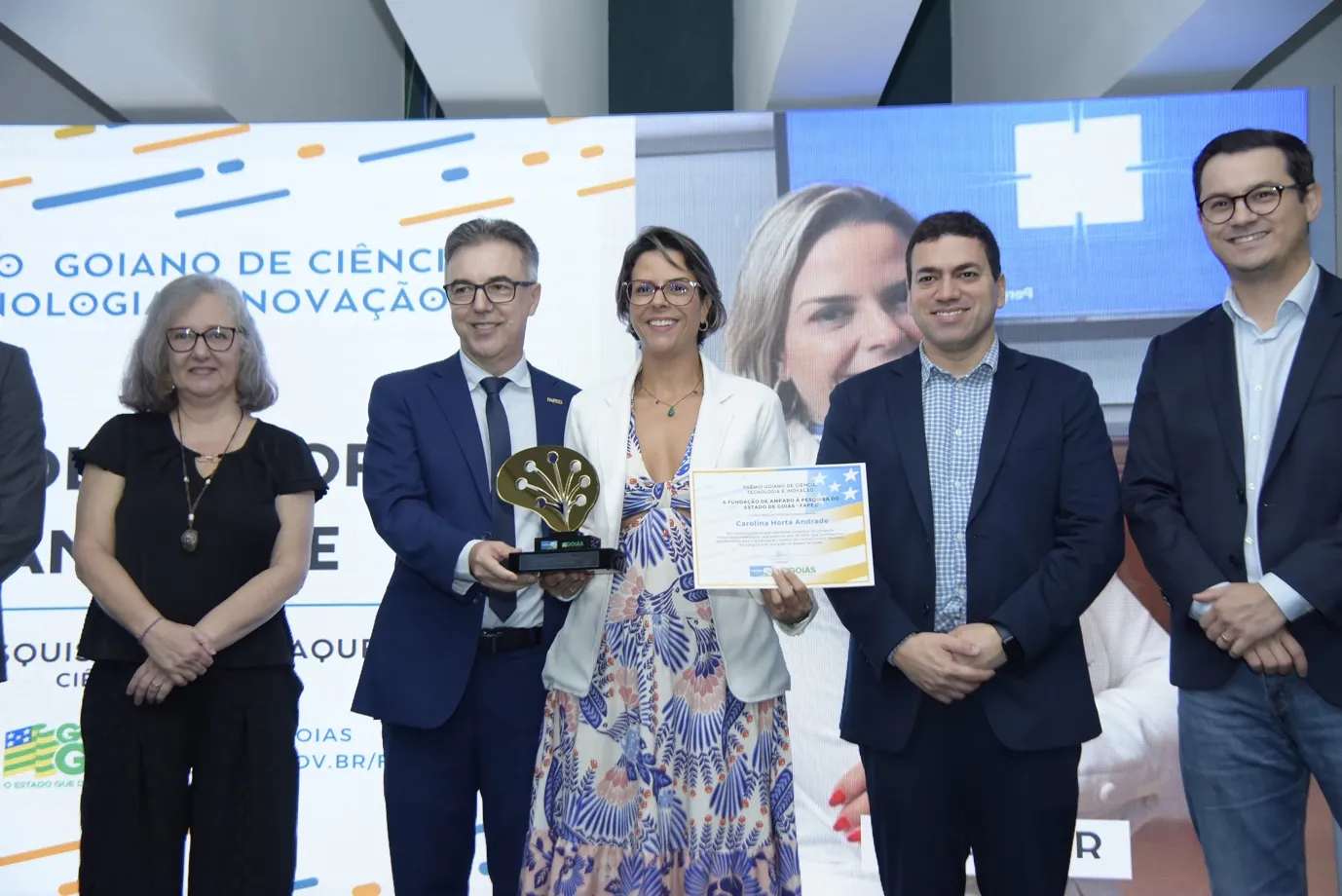
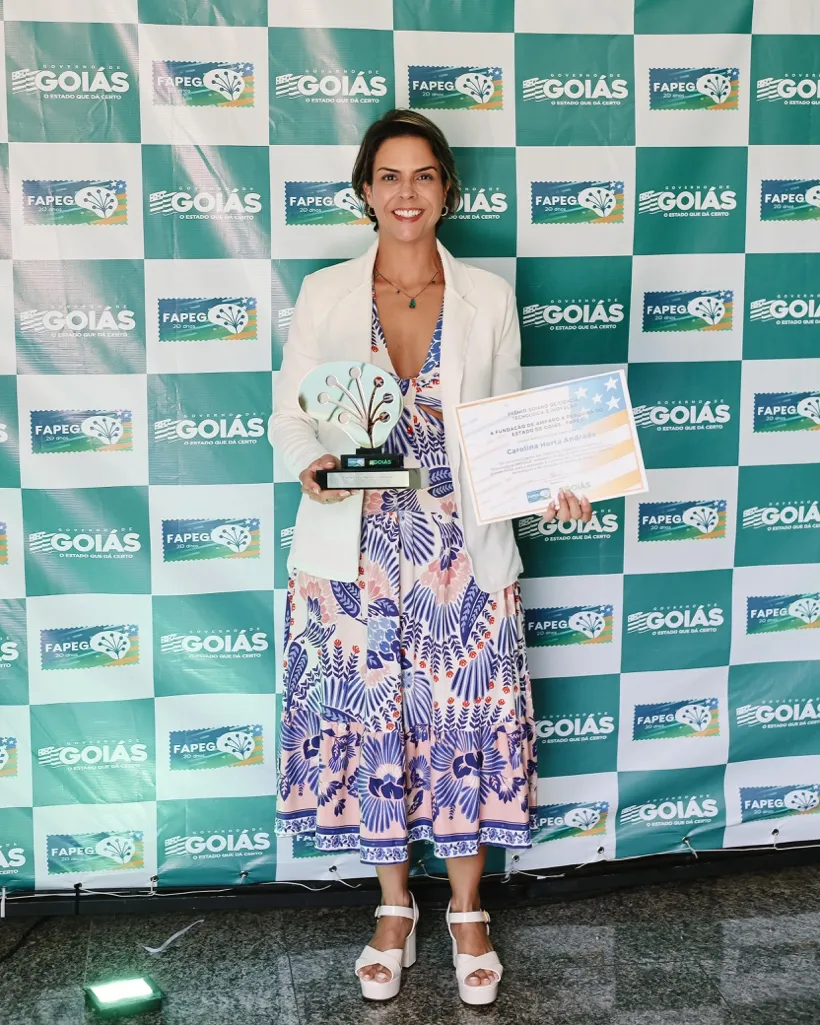
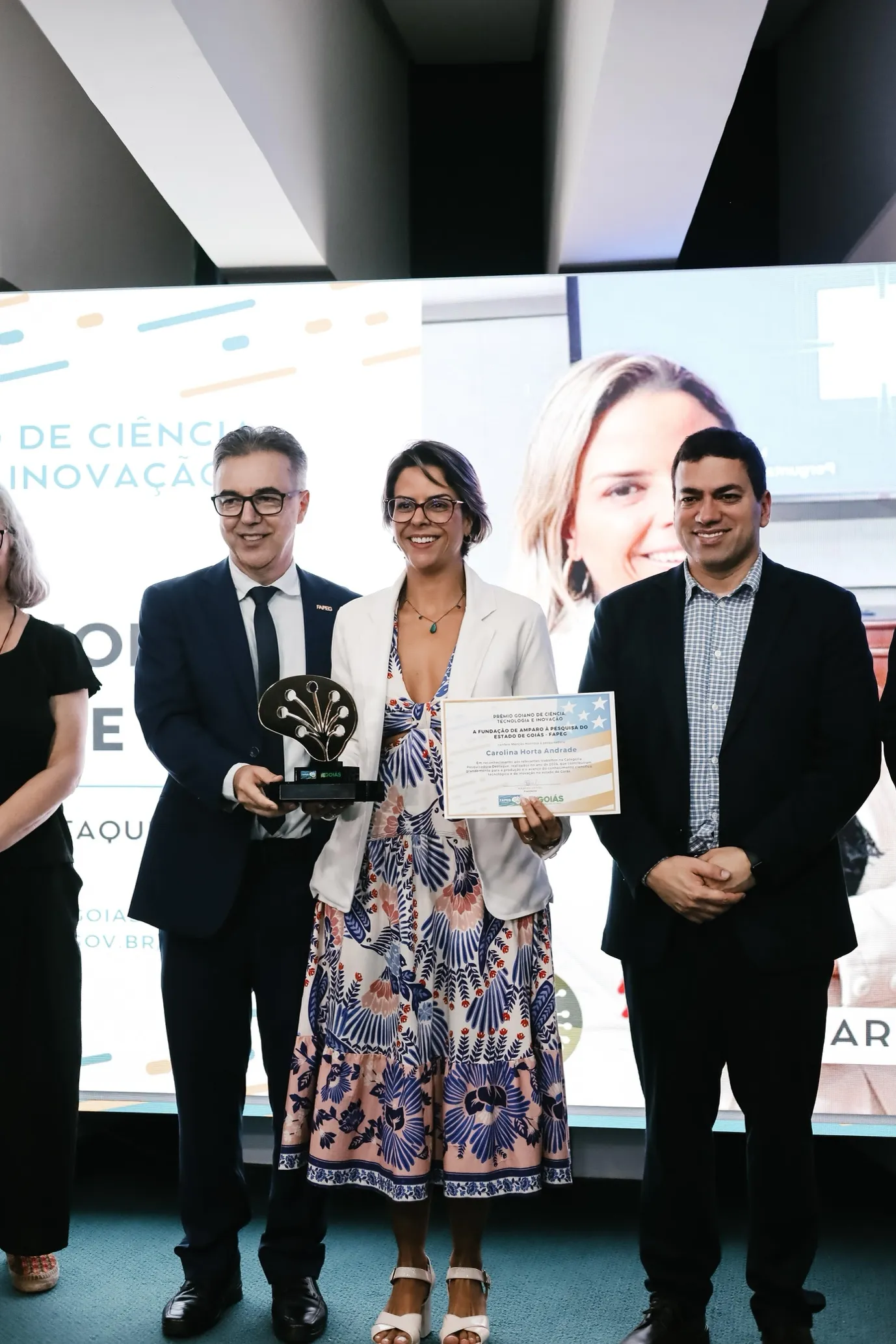
LabMol received the FAPEG Goiano Science, Technology and Innovation Prize.
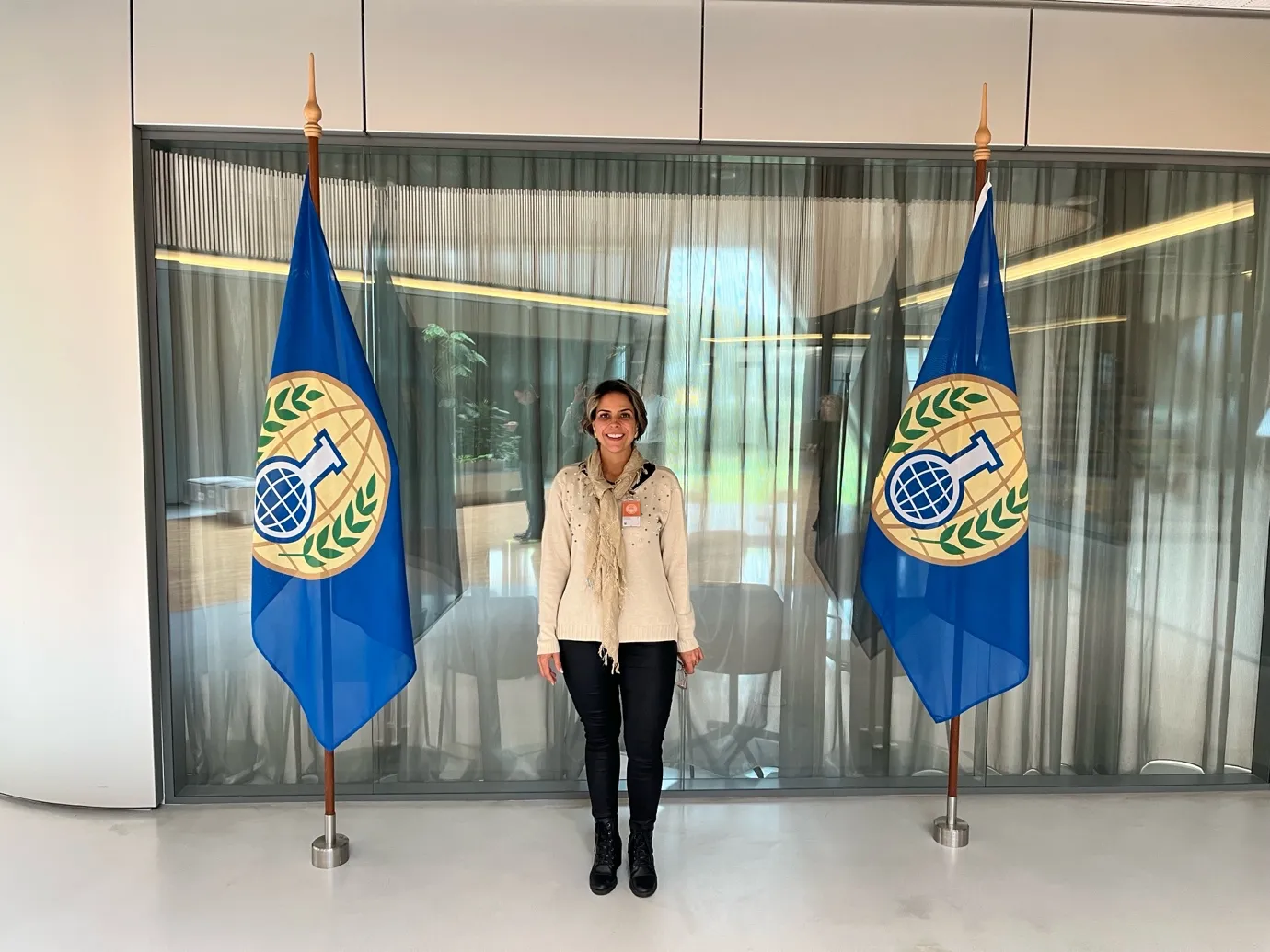
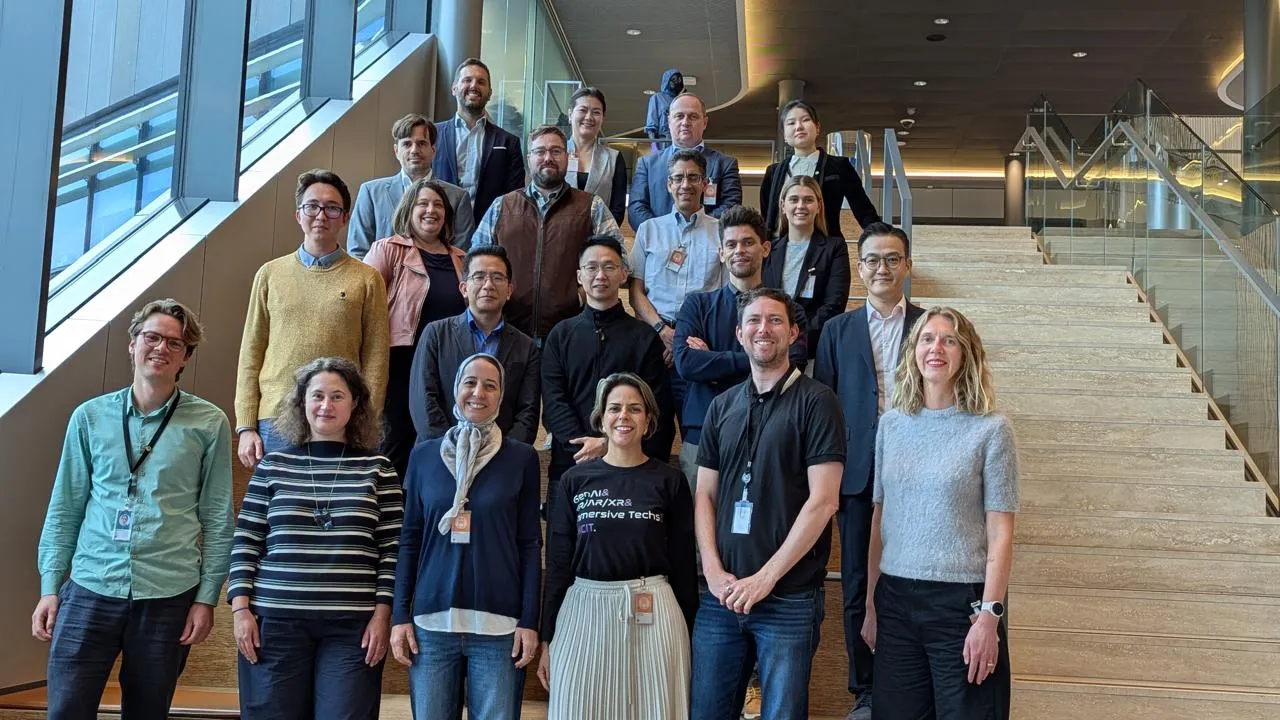
Carolina joined the third meeting of the OPCW Scientific Advisory Board's temporary working group on artificial intelligence and chemical weapons in The Hague, where she discussed AI-driven drug discovery and toxicology models.
The year also included participation and best-poster recognition at WC13, held for the first time in Brazil, and a third consecutive year in Stanford/Elsevier's Top 2% list.
Highlights
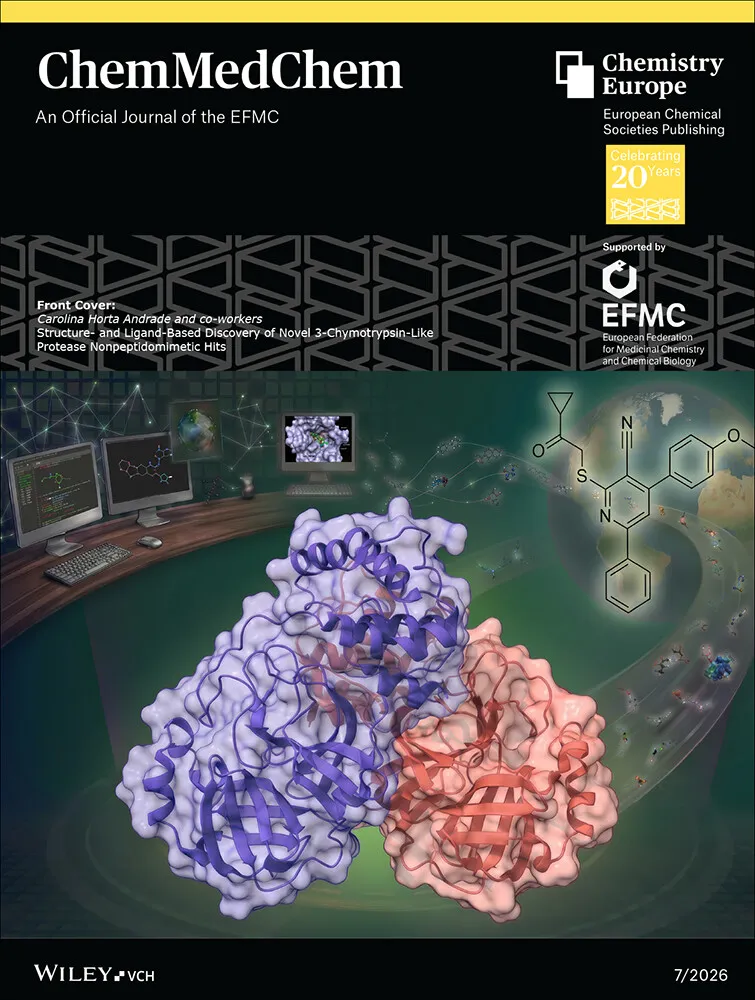
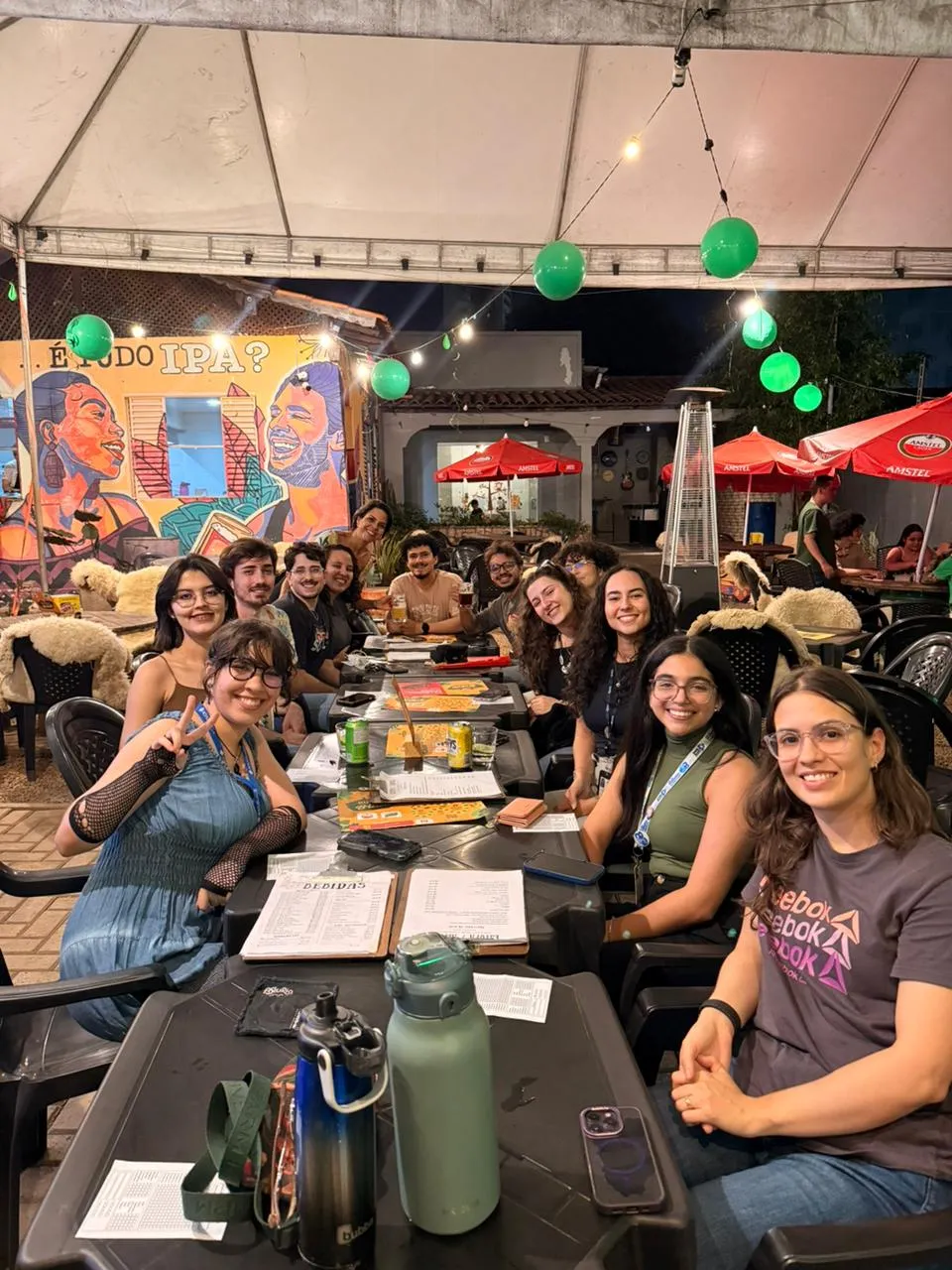
CESU inauguration, ChemMedChem cover & TIER 1
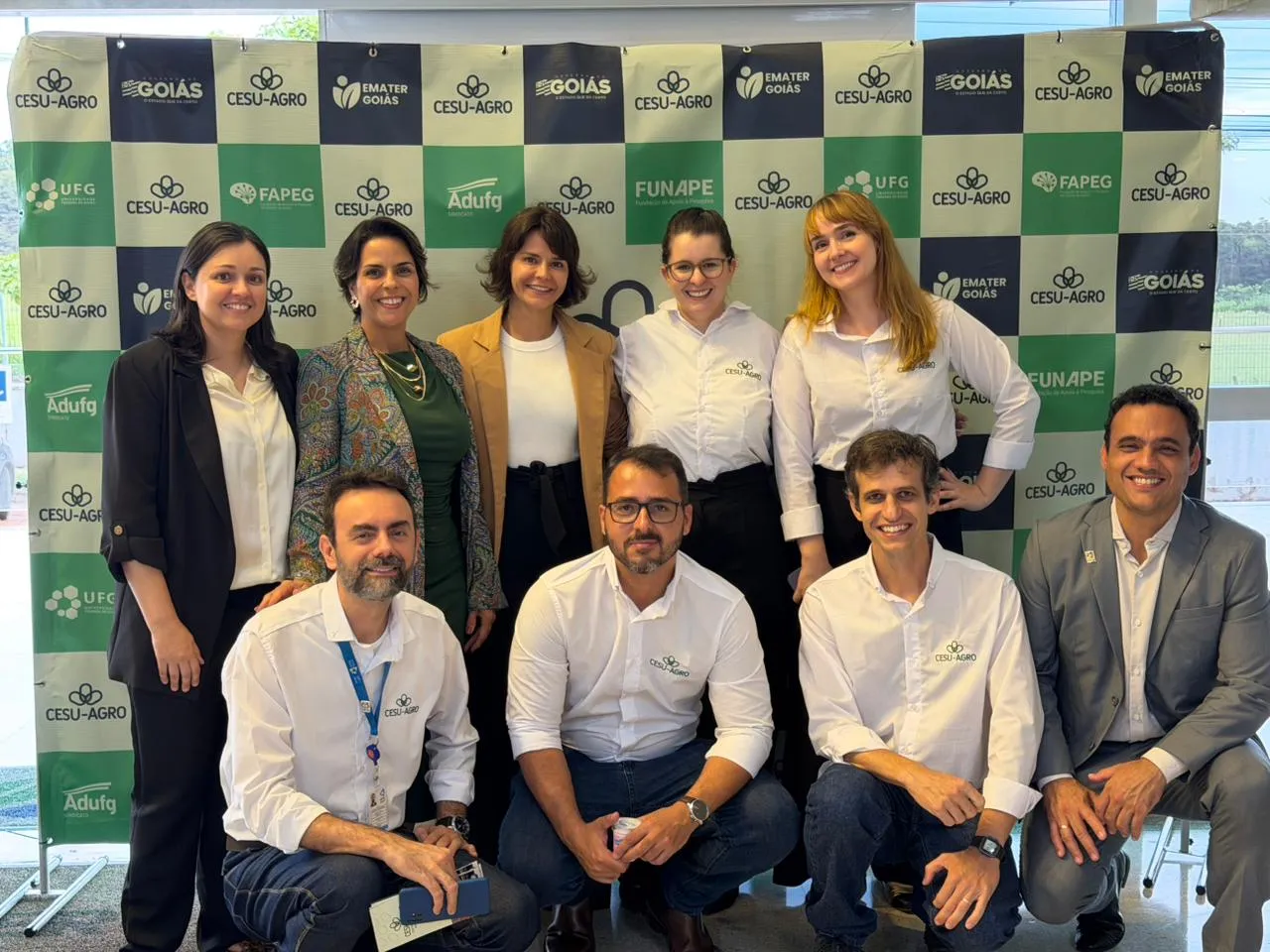
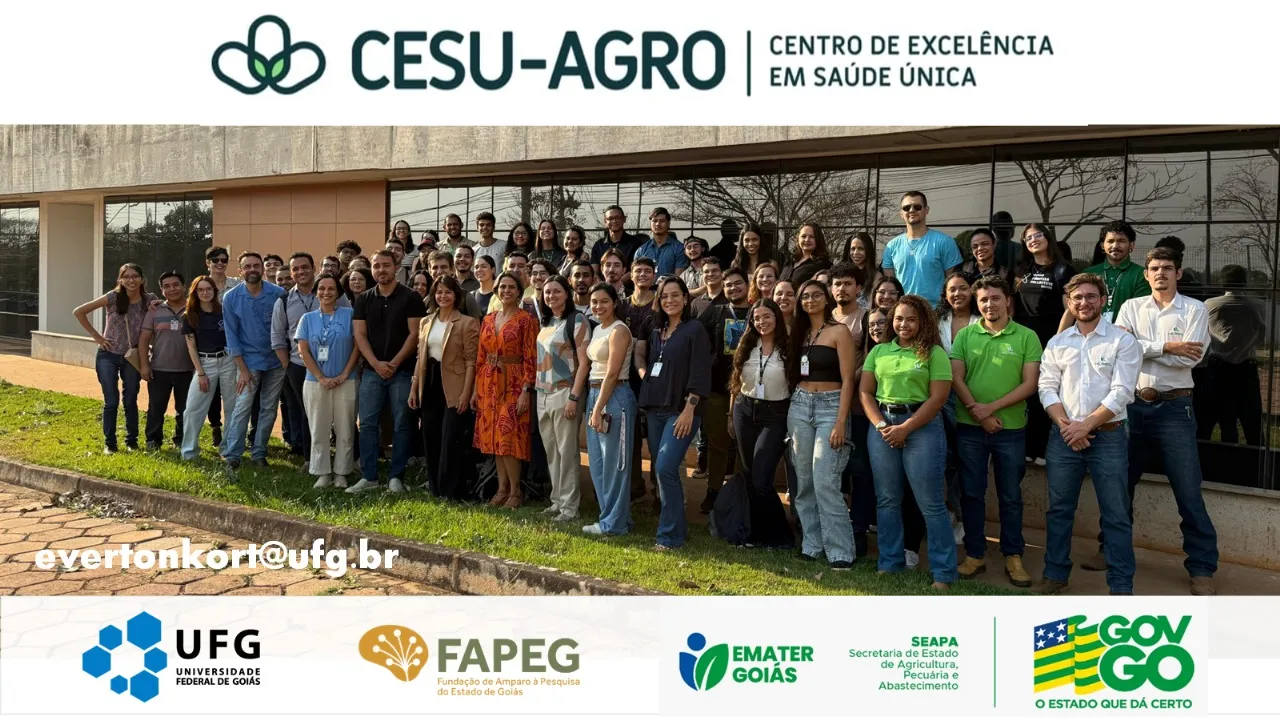
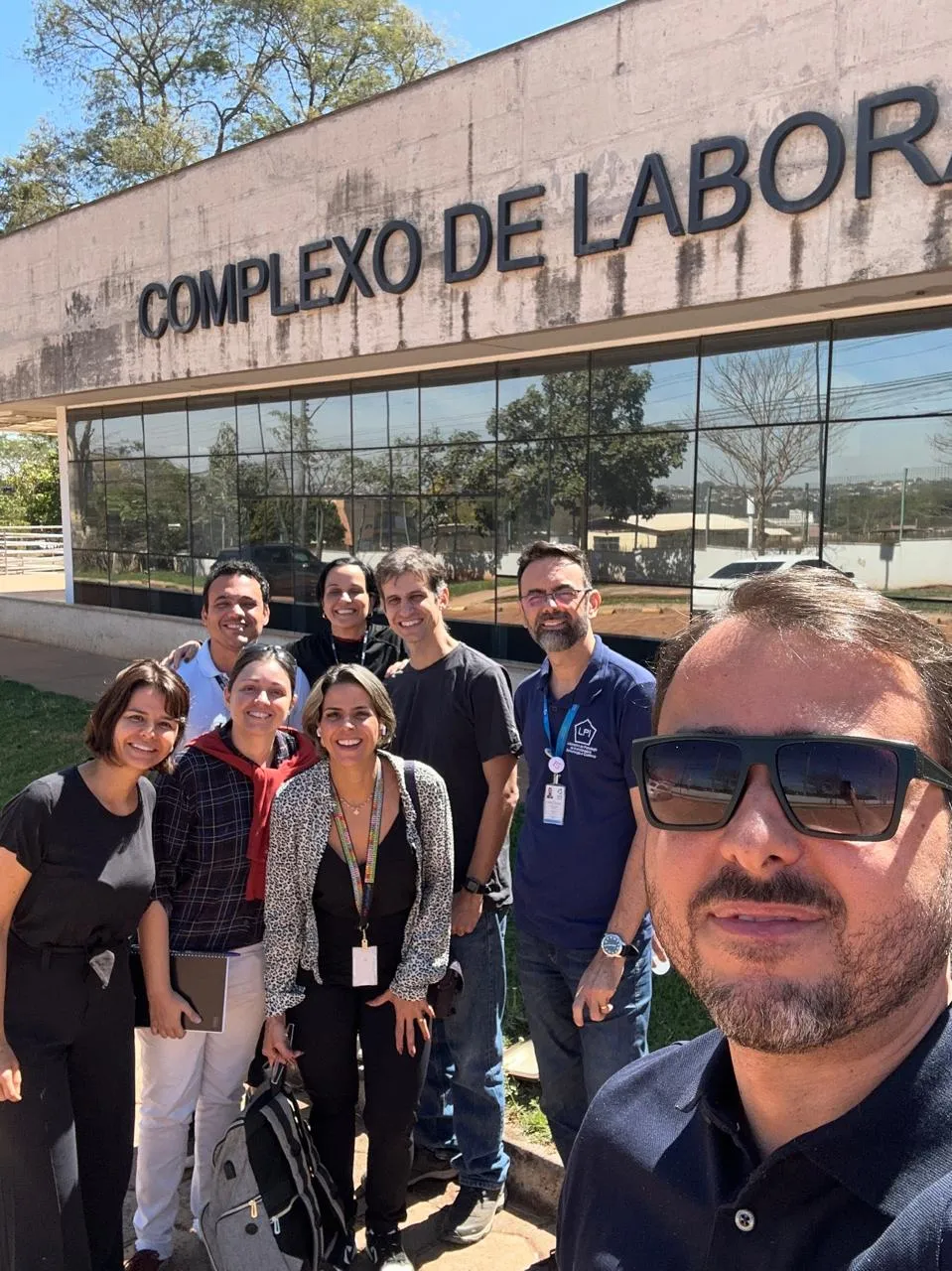
LabMol officially joined the Center of Excellence in saúde única (CESU), inaugurated in 2026 at the Federal University of Goiás and EMATER-Goiás. Coordinated by UFG with EMATER, UEG, IFGoiano and Embrapa, CESU is Brazil's first center dedicated to technologies for the rational use of pesticides and the sustainable control of pests through a saúde única perspective.
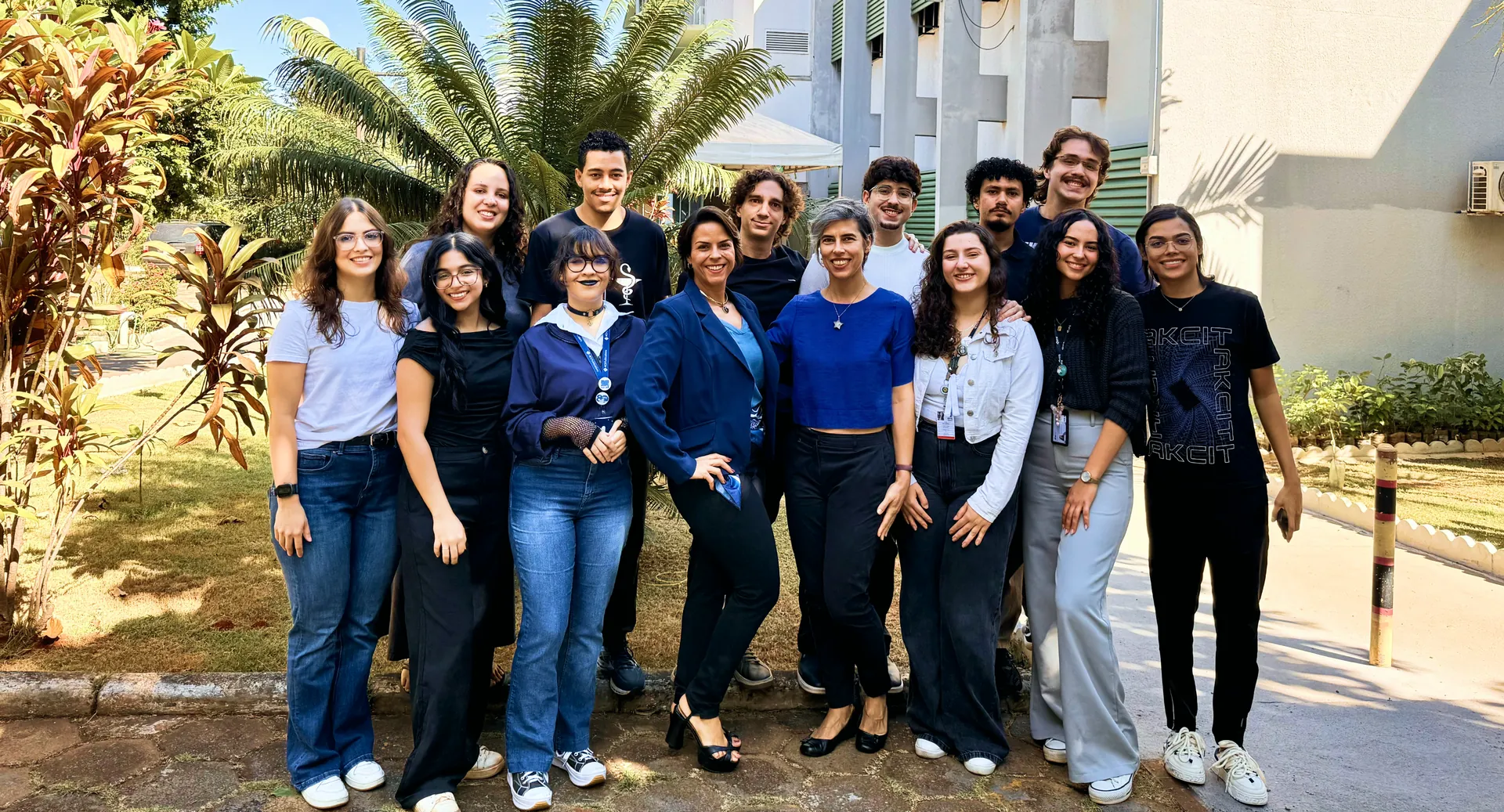
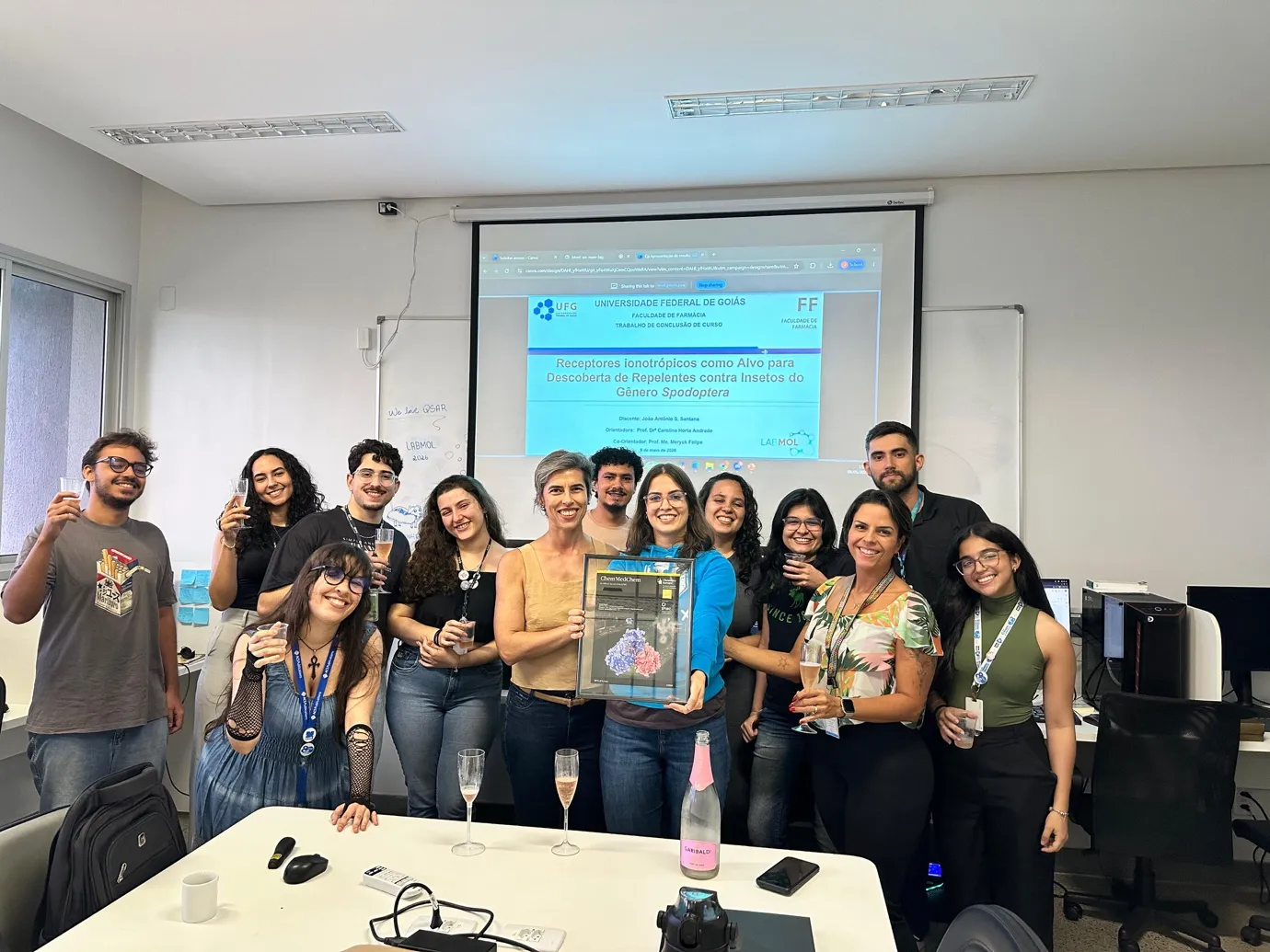
This year also brought a ChemMedChem cover article and the consolidation of this TIER 1 AI research infrastructure, together with a team of 16 active researchers.
Highlights
A Proven Track Record of Scientific Impact
A scientific trajectory built through infrastructure, people, research and technological evolution.
Collaborative Ecosystem & Funding Agencies
LabMol is connected to strategic research centers, funding agencies and institutional partners that strengthen its scientific, technological and translational impact.